Complete Guide to Tajik Clothing
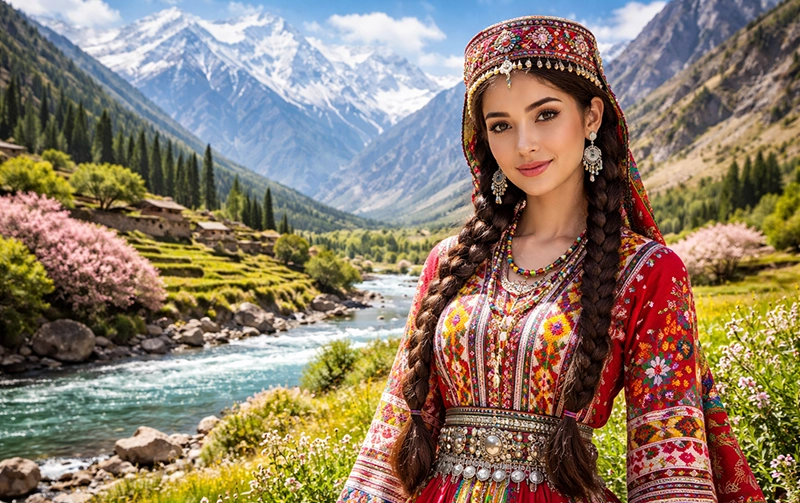
Tajikistan’s traditional clothing reflects centuries of cultural heritage shaped by Persian, Central Asian, and Silk Road influences. Traditional garments are not only practical for the country’s varied climate but also serve as important symbols of identity, social status, and regional belonging. Rich embroidery, handcrafted textiles, and distinctive headwear remain central features of national dress. While modern fashion is widely embraced across the country, many traditional garments continue to be worn during holidays, weddings, and cultural celebrations.
Men’s Traditional Clothing in Tajikistan
Chapan
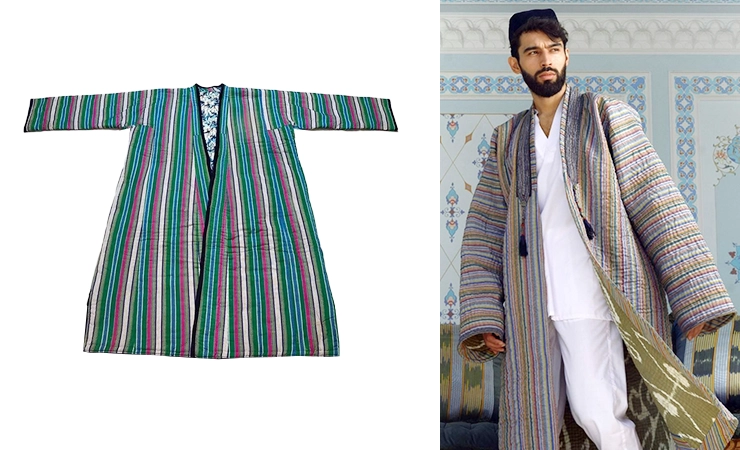
The chapan is one of the most recognizable traditional garments worn by Tajik men. This long, loose-fitting coat is typically quilted and made from cotton, silk, or velvet, providing warmth during colder seasons. Traditional chapans often feature colorful striped patterns and intricate decorative stitching that showcase local craftsmanship. Historically, the garment served both practical and ceremonial purposes and remains a common sight during cultural festivals and formal occasions.
Kurta
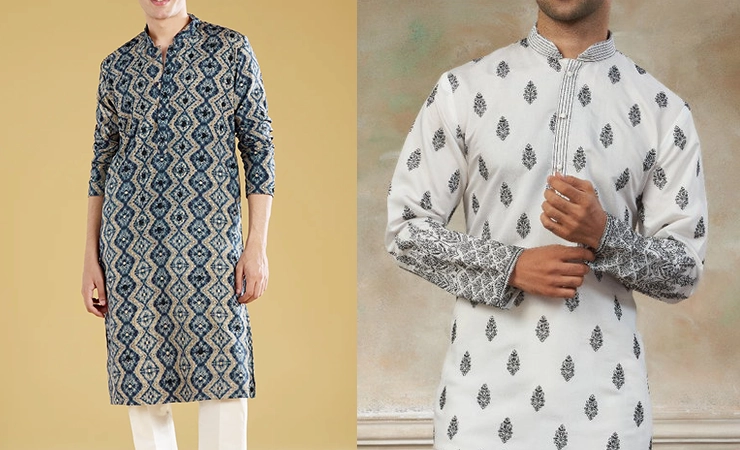
The kurta is a traditional long shirt that forms the foundation of many men’s outfits in Tajikistan. Usually crafted from lightweight cotton or silk fabrics, it is designed to provide comfort in the region’s warm climate. The garment is characterized by its straight cut, long sleeves, and simple collar design. Tajik men often wear the kurta beneath a chapan or pair it with traditional trousers for everyday and ceremonial use.
Ishton
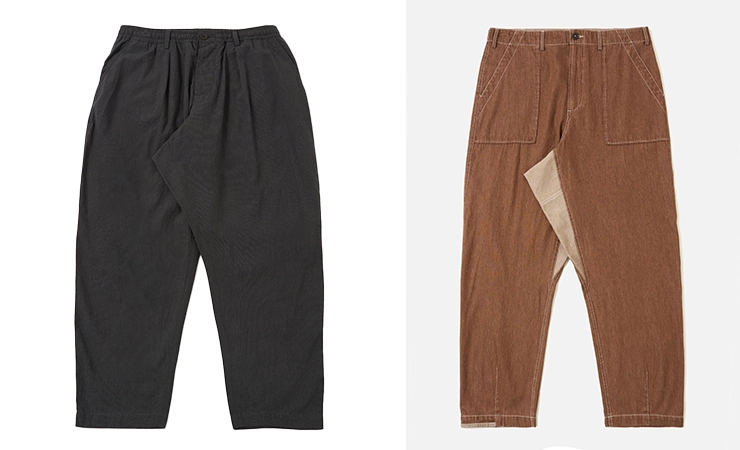
Ishton refers to the traditional trousers worn by Tajik men. These pants are typically loose-fitting to allow ease of movement and comfort throughout the day. Made from durable fabrics, they are designed to complement the kurta and other outer garments. The simplicity of the ishton allows more decorative elements of the overall outfit, such as embroidered coats and headwear, to stand out.
Tubeteika
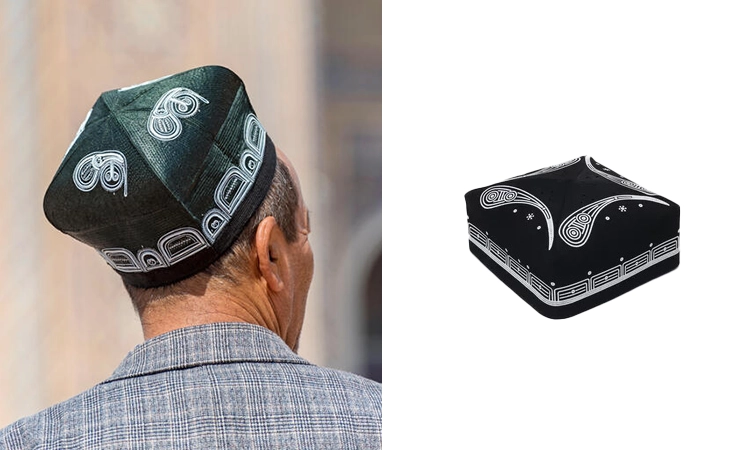
The tubeteika is a traditional embroidered skullcap that holds significant cultural importance throughout Tajikistan. Usually made from velvet or cotton, it features geometric, floral, or symbolic patterns stitched by hand. Different regions often have distinctive embroidery styles, making the cap a marker of local identity. The tubeteika is commonly worn during celebrations, religious gatherings, and national holidays.
Belbog
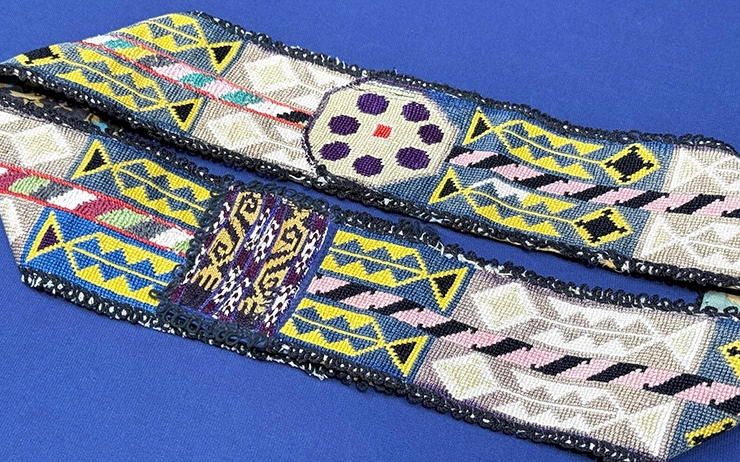
The belbog is a traditional sash or wide belt worn around the waist. Besides securing outer garments, it historically served practical functions, allowing men to carry small personal items. Belbogs are often made from woven fabrics and may feature decorative patterns that complement the rest of the outfit. During formal events, a carefully selected sash can add elegance and distinction to traditional attire.
Women’s Traditional Clothing in Tajikistan
Kurta
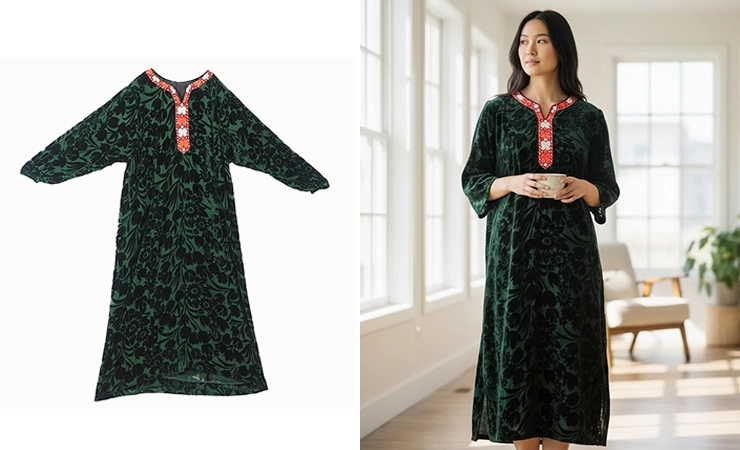
The women’s kurta is a long, flowing dress that serves as one of the most iconic pieces of Tajik national clothing. These garments are often made from brightly colored fabrics and decorated with elaborate embroidery along the neckline, sleeves, and hem. Traditional patterns may incorporate floral motifs and symbolic designs passed down through generations. The kurta remains especially popular during weddings, holidays, and cultural celebrations.
Ishton
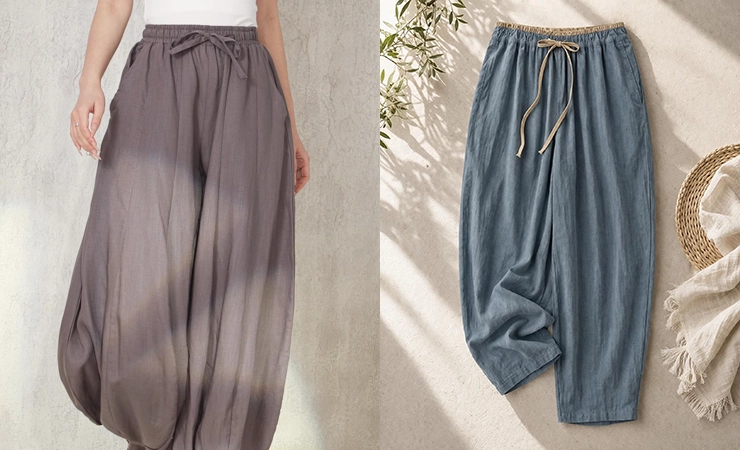
Women also wear a version of the ishton, traditionally paired with the kurta. These trousers are usually gathered at the ankles and made from soft fabrics that provide comfort and flexibility. In many traditional outfits, the lower portion of the ishton is visible beneath the dress and may be decorated with embroidery or ornamental trims. The combination of kurta and ishton remains a defining feature of women’s traditional attire in Tajikistan.
Rumol
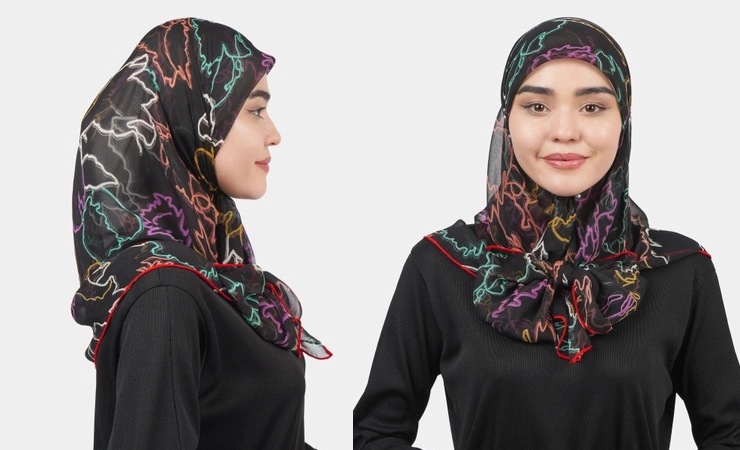
The rumol is a traditional headscarf worn by many Tajik women. It serves both practical and cultural purposes, offering protection from the sun while reflecting local customs and values. Rumols are available in a wide variety of colors, fabrics, and decorative styles, ranging from simple everyday scarves to richly embellished ceremonial pieces. The way a rumol is tied can sometimes indicate regional traditions or personal preferences.
Farji
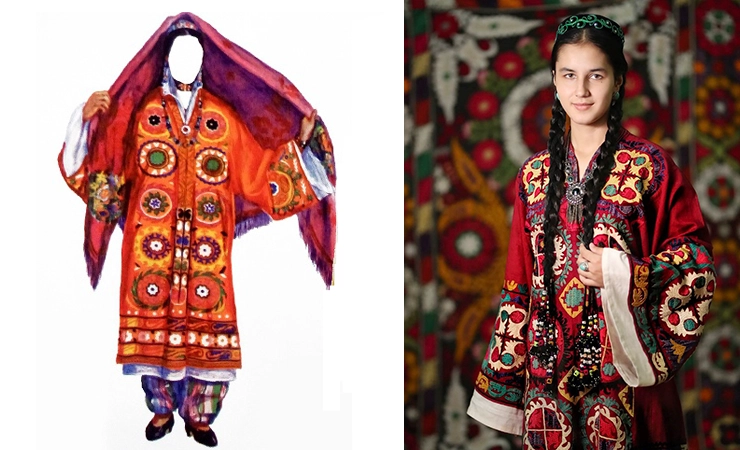
The farji is a traditional outer garment worn over dresses during cooler weather or special occasions. Historically, it was associated with elegance and social prestige, often crafted from luxurious materials such as velvet or silk. Decorative embroidery, metallic threadwork, and intricate patterns frequently adorn the garment. The farji remains an important part of traditional dress presentations and cultural performances.
Tillo Kosh
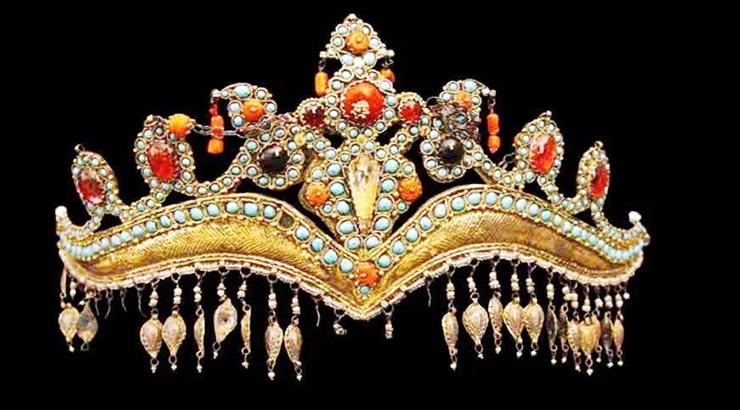
The tillo kosh is a decorative embroidered cap traditionally worn by women, particularly during celebrations and festive events. The name reflects its association with gold-colored embellishments and ornamental details. Skilled artisans often spend considerable time creating the intricate patterns that decorate these caps. The tillo kosh adds a distinctive and ceremonial element to traditional Tajik women’s attire.
Modern Clothing in Tajikistan
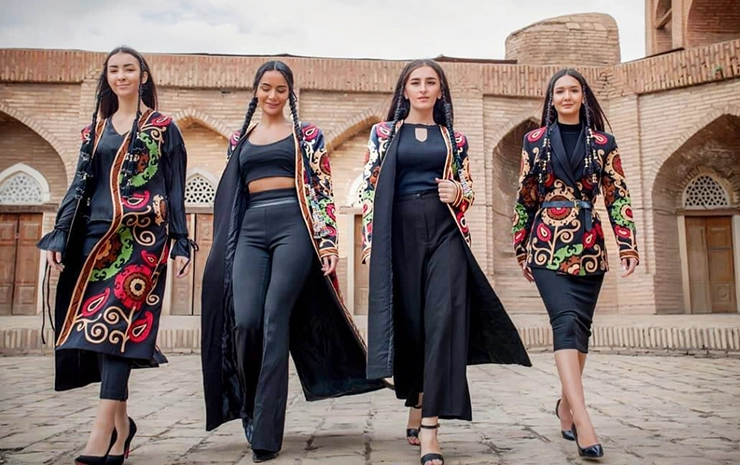
Modern clothing in Tajikistan combines international fashion trends with elements of traditional design. Younger generations frequently wear contemporary Western-style garments such as jeans, shirts, dresses, and business attire in urban areas. At the same time, many designers incorporate traditional Tajik embroidery, ikat fabrics, and national motifs into modern collections, creating a unique fusion of heritage and contemporary style. This blend of old and new allows Tajik fashion to preserve cultural identity while adapting to the preferences of a modern society.