

Cannoli
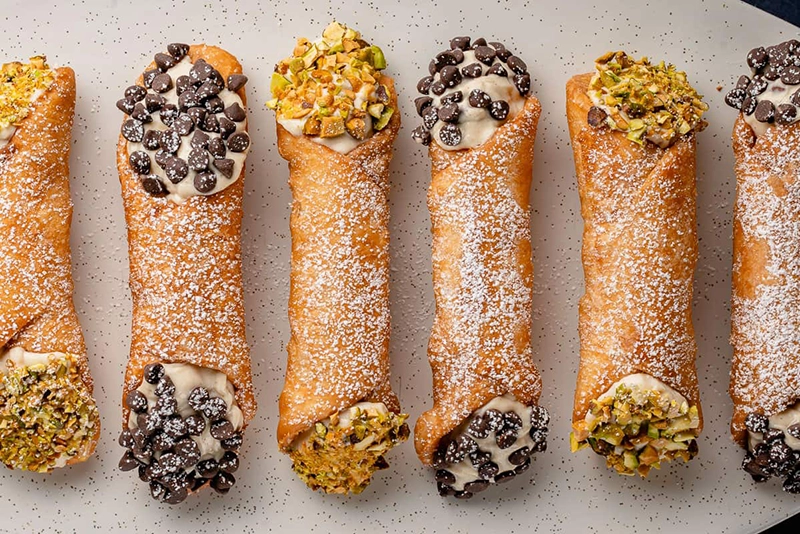
Cannoli is one of the most iconic Italian pastries, hailing from Sicily, where it was originally prepared as a festive treat during Carnevale, the pre-Lenten celebration. Its name comes from the Italian word “canna,” meaning “reed,” because early versions were shaped using reed tubes. Over time, it became more than a seasonal indulgence and turned into a symbol of Sicilian confectionery, loved worldwide. Legend suggests that cannoli may have originated in Palermo or Caltanissetta, possibly introduced during Arab rule in Sicily when sweetened ricotta and sugar-based desserts were first popularized.
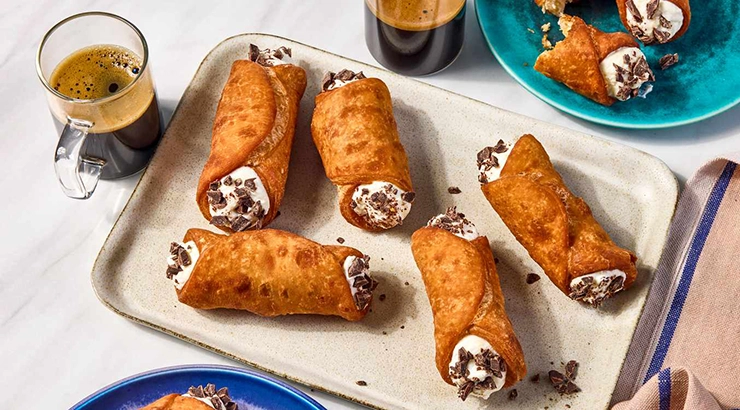
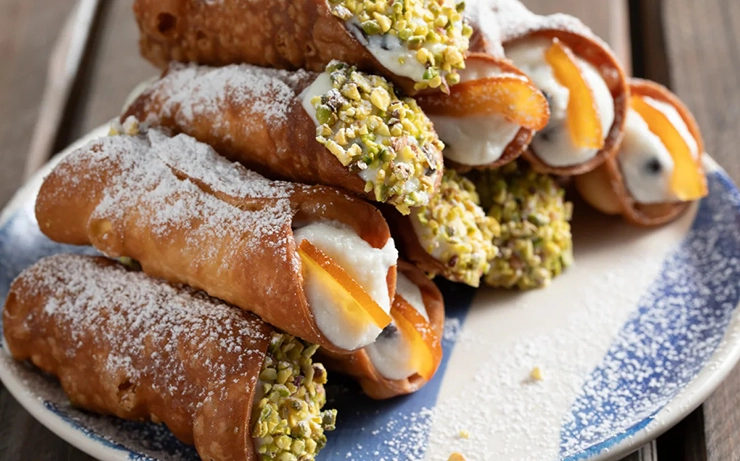
A traditional cannolo consists of a crisp, fried pastry shell filled with a creamy mixture of ricotta cheese, often sweetened with sugar and enhanced with vanilla, cinnamon, candied fruit, pistachios, or chocolate chips. Its taste is a delightful balance: the shell provides a crunchy texture while the filling is smooth, rich, and mildly tangy with sweet undertones. Cannoli are best consumed fresh, as the shell can lose its crunch if filled too far in advance.
Pairing cannoli with other foods and drinks enhances the experience. They go beautifully with espresso, cappuccino, or even dessert wines like Marsala, Vin Santo, or Moscato d’Asti. For a more indulgent combination, a glass of sweet liqueur such as Amaretto or Limoncello highlights the dessert’s richness. From a savory perspective, cannoli are usually enjoyed on their own rather than with food, serving as a standalone treat after a meal.
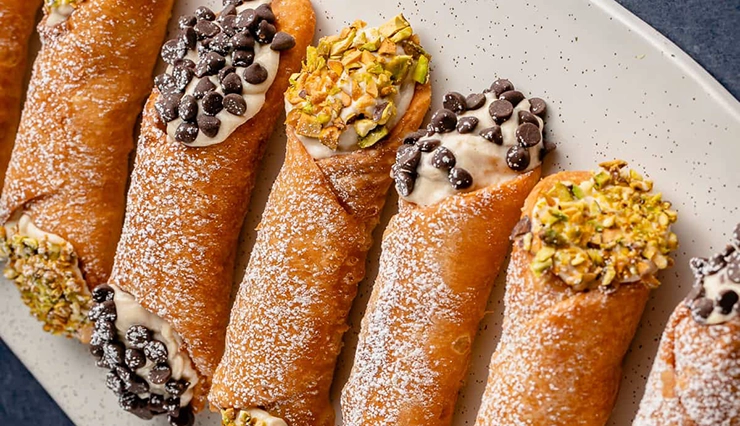
Nutritionally, cannoli are far from diet-friendly. The fried dough and sweet ricotta filling make them calorie-dense, high in sugar and fat. A single medium-sized cannolo can easily exceed 200–300 calories, depending on filling and toppings. While not ideal for everyday diets, cannoli remain a luxurious occasional indulgence, offering both cultural heritage and an unforgettable sensory experience.