

Castella
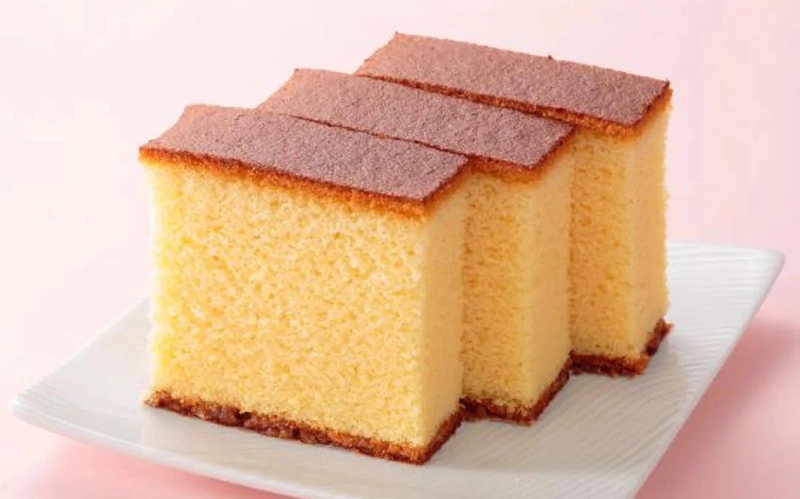
Castella, or kasutera (カステラ), is a traditional Japanese sponge cake with a fascinating history and a gentle, refined taste. It was introduced to Japan in the 16th century by Portuguese merchants who brought with them a similar confection called “pão de Castela,” or “bread from Castile.” The Japanese adapted the recipe to local tastes, using simple ingredients such as flour, sugar, eggs, and starch syrup. Over time, it became a beloved specialty, particularly associated with Nagasaki, where it is still considered a regional treasure and often given as a gift.
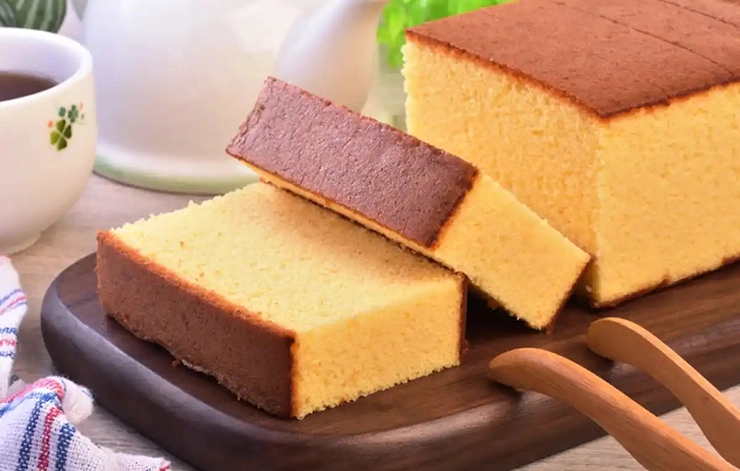
The taste of castella is delicate, sweet but not overly so, with a moist, tender crumb and a slightly caramelized top that provides subtle depth. Unlike European sponge cakes that are often filled or topped with cream, castella is enjoyed in its pure form, allowing its soft texture and balanced sweetness to shine. It is traditionally cut into neat rectangular slices, making it a popular choice for tea ceremonies and elegant gatherings.
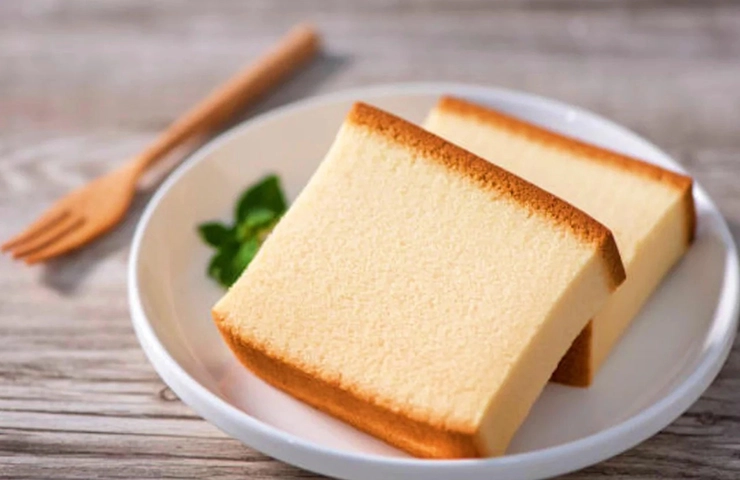
When it comes to pairing, castella is ideally consumed with green tea, especially matcha, whose slight bitterness complements the cake’s sweetness. It also works well with light roasted coffee or black tea for a more Western-style pairing. For food, it can be enjoyed alongside fresh fruit, particularly strawberries or citrus, which add a refreshing contrast. Some modern variations even include honey or matcha within the batter for additional layers of flavor.
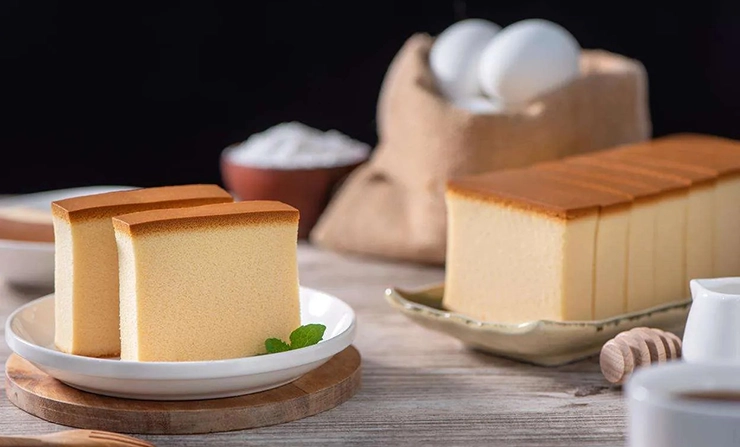
In terms of nutrition, castella is relatively high in sugar and carbohydrates, given its traditional recipe, but it does not contain heavy cream or butter, making it lighter than many Western desserts. While not exactly diet-friendly, it is a treat that can be enjoyed in moderation without excessive guilt. Castella’s charm lies in its history, simplicity, and ability to bridge cultures while remaining a timeless Japanese favorite.