

Ghost Pepper
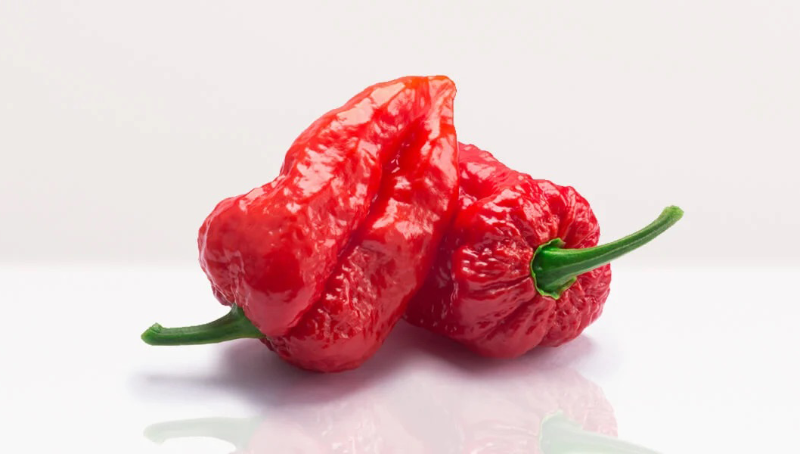
The Ghost Pepper, also known as Bhut Jolokia, is a legendary chili pepper native to Northeast India, particularly the states of Assam, Nagaland, and Manipur. The name “Bhut Jolokia” translates roughly to “Bhutanese pepper” or “ghost chili,” likely due to its almost supernatural heat. It first gained international attention in 2007 when the Guinness World Records certified it as the hottest chili pepper in the world at that time (until Pepper X and some other varieties appeared).
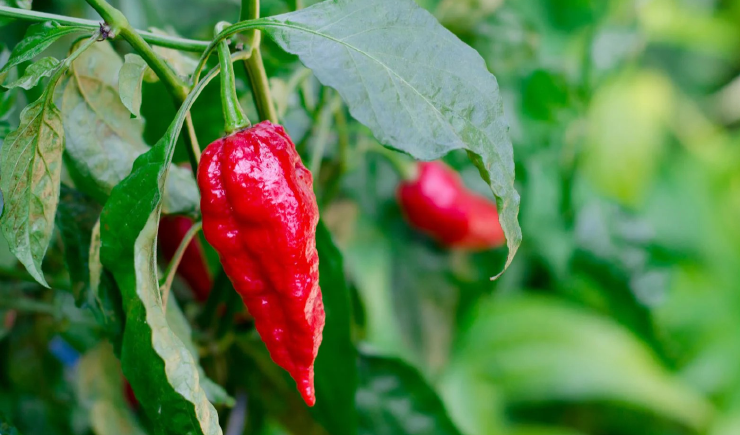
The Ghost Pepper has been cultivated by local farmers for centuries, used both as a spice and in folk remedies. It boasts a distinctive fruity, slightly smoky flavor underneath its searing heat. On the Scoville Heat Scale, it averages around 1,000,000 Scoville Heat Units (SHU), sometimes reaching up to 1,041,427 SHU. This intensity places it far above jalapeños and habaneros, making it one of the hottest peppers still widely grown and consumed.
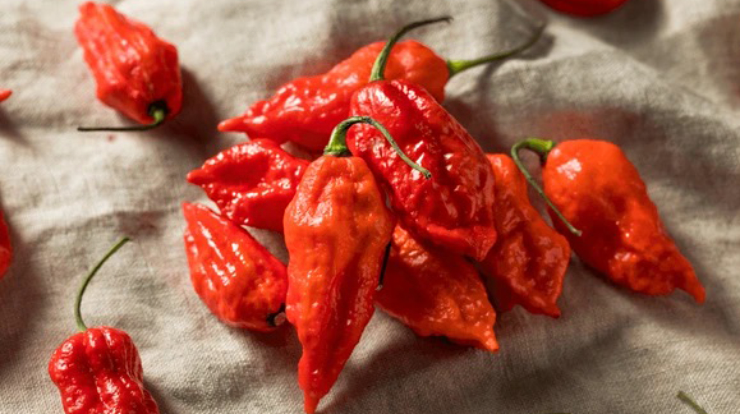
When cooking, Ghost Pepper is best used sparingly. Its intense heat pairs well with rich dishes that can absorb and balance the spiciness, such as curries, stews, and meat marinades. It also complements acidic and sweet components, like lime or mango, adding complexity to salsas and chutneys.
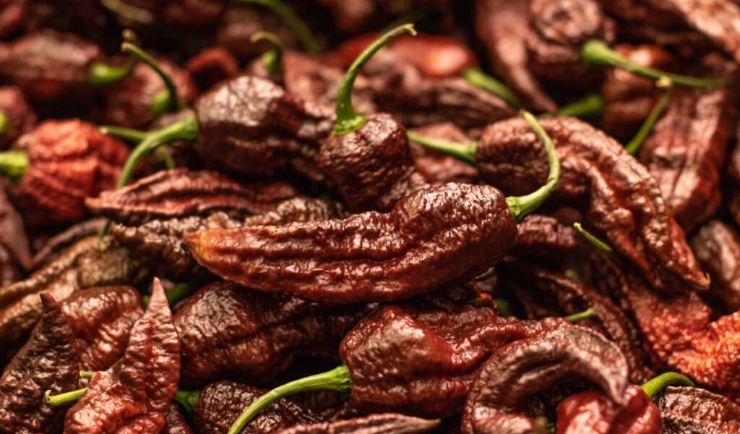
To eat Ghost Pepper safely, it is typically dried, powdered, or infused into oils and sauces rather than consumed raw. Always handle it with gloves and avoid direct contact with eyes or sensitive skin. Due to its potency, even a small amount can transform a dish, offering a thrilling experience for true spice lovers.