
Complete Guide to Trinidad and Tobago Clothing
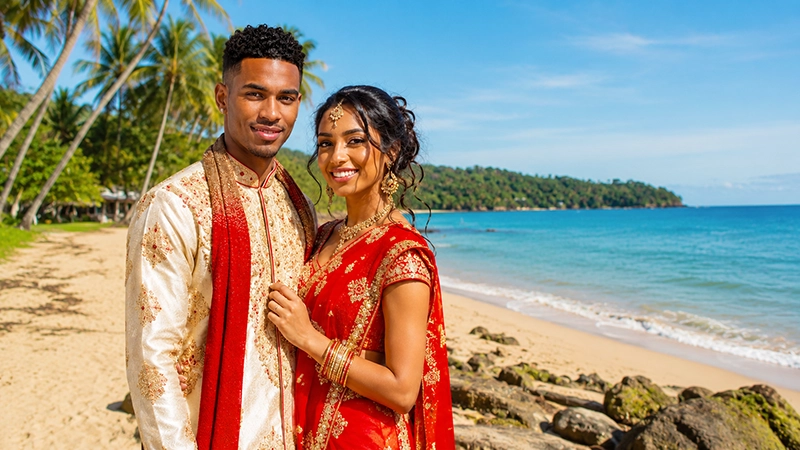
Trinidad and Tobago possesses a rich cultural heritage shaped by African, Indian, European, Indigenous, and Caribbean influences. Traditional clothing in the country reflects centuries of cultural exchange and adaptation, resulting in distinctive garments that remain important during festivals, religious ceremonies, weddings, and cultural celebrations. While contemporary fashion dominates everyday life, many traditional clothing pieces continue to symbolize national identity and cultural pride. Understanding these garments offers valuable insight into the history and traditions of Trinidad and Tobago.
Men’s Traditional Clothing in Trinidad and Tobago
Kurta
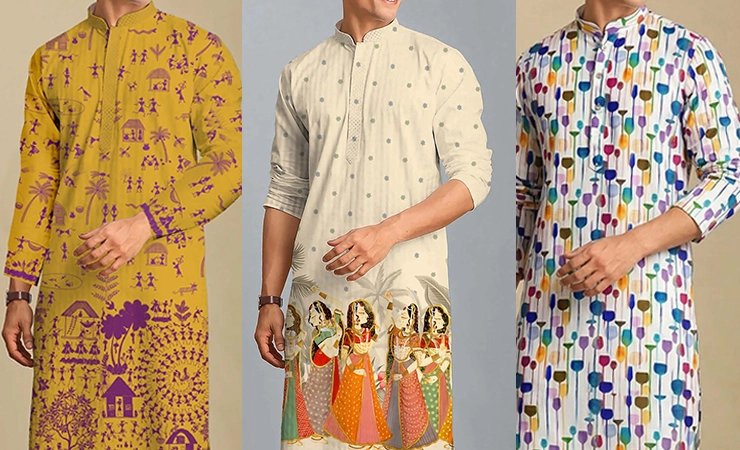
The kurta is one of the most recognizable traditional garments worn by men in Trinidad and Tobago, particularly among citizens of Indo-Trinidadian heritage. This long, loose-fitting tunic is commonly made from cotton, silk, or lightweight fabrics suitable for the tropical climate. Men traditionally wear the kurta during religious celebrations such as Divali, Eid, weddings, and cultural gatherings. The garment often features decorative embroidery around the collar, chest, or cuffs, combining comfort with elegance.
Dhoti
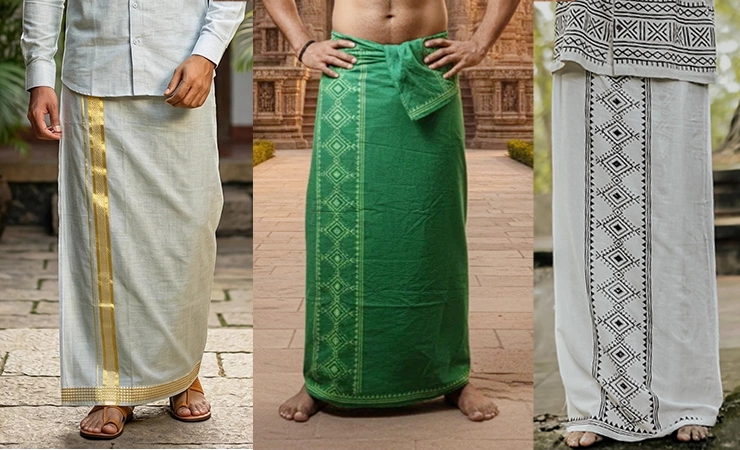
The dhoti remains an important traditional garment associated with Indian cultural traditions in Trinidad and Tobago. It consists of a long rectangular piece of cloth wrapped around the waist and legs in a distinctive style. Historically worn by men during religious ceremonies and special occasions, the dhoti symbolizes cultural continuity and respect for ancestral customs. White remains the most common color, although decorative and colored versions are also worn during festive events.
Sherwani
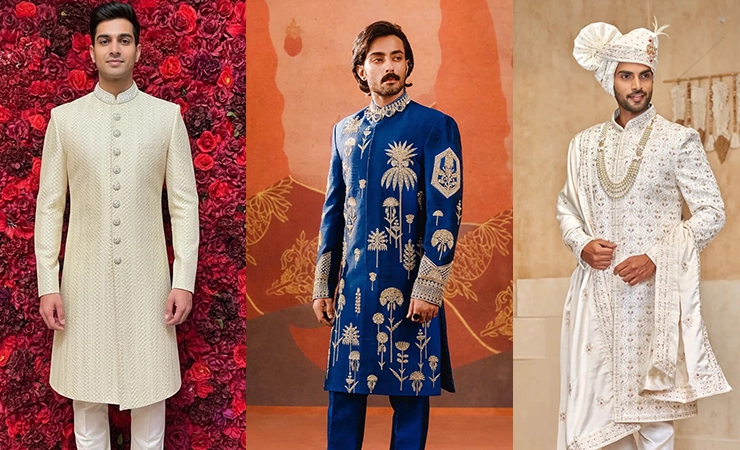
The sherwani is a formal traditional coat-like garment that holds a prominent place in ceremonial dress. Typically extending below the knees, it is often crafted from luxurious fabrics and adorned with intricate embroidery or decorative buttons. Men frequently wear sherwanis during weddings, cultural performances, and major celebrations. The garment conveys sophistication and serves as a symbol of prestige within traditional Indo-Trinidadian attire.
Madras Shirt
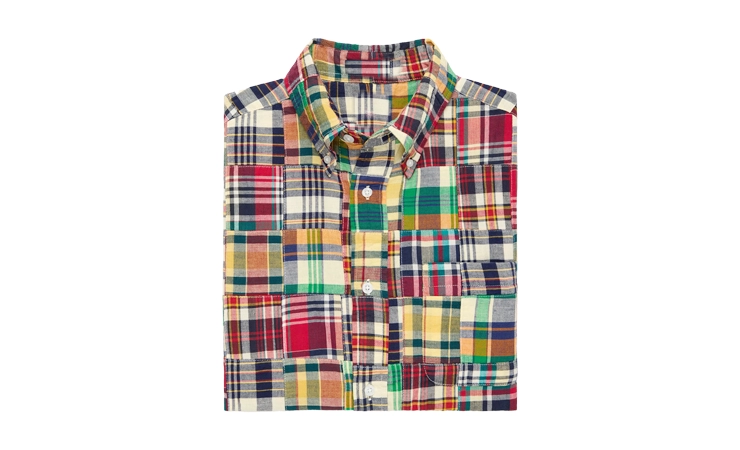
The Madras shirt is deeply connected to the Creole traditions of Trinidad and Tobago. Made from brightly colored checked Madras fabric, the shirt reflects the influence of Caribbean and colonial-era textile traditions. It is commonly worn during folk performances, cultural festivals, and heritage celebrations. The vibrant patterns represent the multicultural character of the nation and remain a cherished element of traditional dress.
Jab Jab Costume
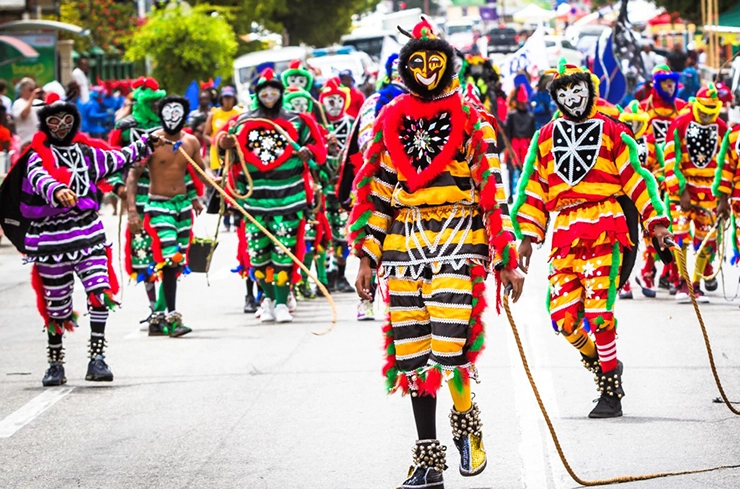
The Jab Jab costume is a distinctive traditional outfit associated with Carnival celebrations. Men wearing this costume often dress in brightly colored garments decorated with ribbons, mirrors, and dramatic accessories. The outfit originates from historical Carnival traditions and embodies themes of resistance, freedom, and cultural expression. During Carnival festivities, the Jab Jab costume remains one of the most recognizable symbols of Trinidad and Tobago’s vibrant cultural identity.
Women’s Traditional Clothing in Trinidad and Tobago
Sari
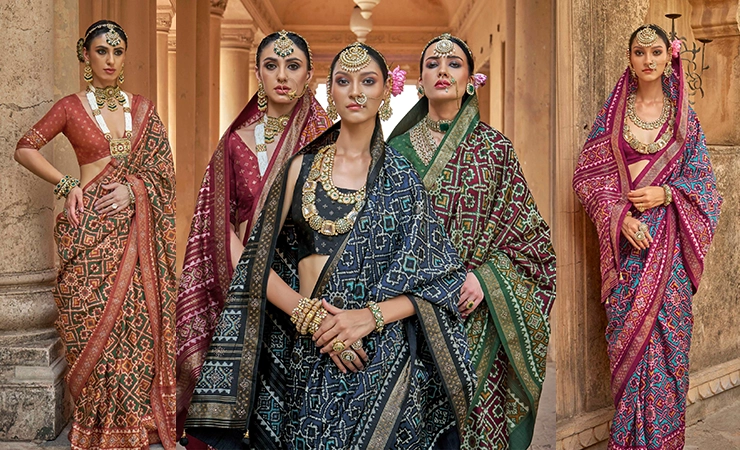
The sari is one of the most elegant and widely recognized traditional garments worn by women in Trinidad and Tobago. Introduced through Indian cultural heritage, it consists of a long piece of fabric draped gracefully around the body. Saris are frequently worn during weddings, religious ceremonies, festivals, and formal cultural events. Available in countless colors, fabrics, and designs, the garment represents beauty, tradition, and cultural pride.
Salwar Kameez
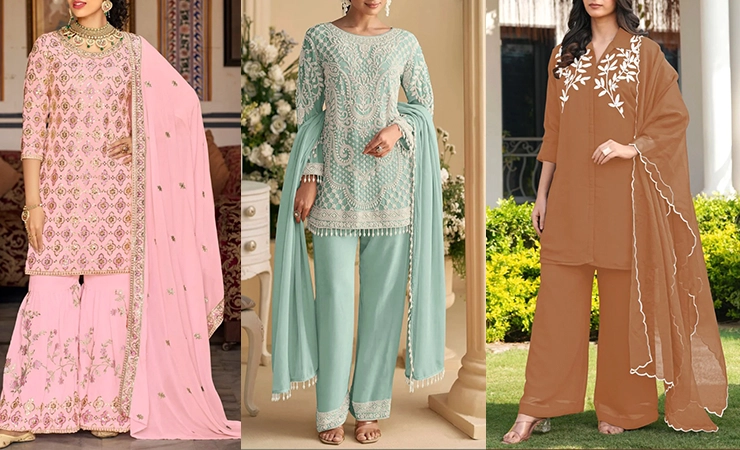
The salwar kameez is a popular traditional outfit consisting of a long tunic paired with loose trousers and a matching scarf. Women appreciate the garment for its comfort, versatility, and suitability for the Caribbean climate. It is commonly worn during religious observances, family celebrations, and community gatherings. Modern variations often incorporate contemporary fabrics and decorative embellishments while maintaining traditional styling.
Orhni
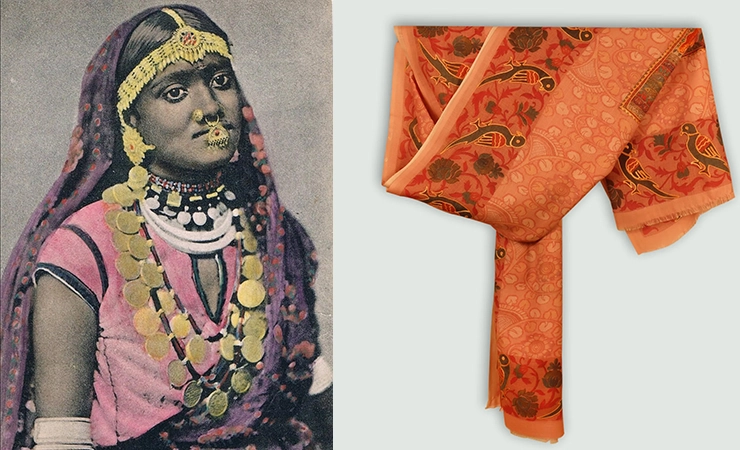
The orhni, also known as a dupatta, is a traditional scarf worn with various South Asian-inspired garments. It serves both decorative and cultural purposes, often complementing outfits such as the salwar kameez or lehenga. Women may drape the orhni over the shoulders, around the neck, or over the head during religious ceremonies. The garment frequently features embroidery, sequins, or colorful patterns that enhance its visual appeal.
Madras Wob Dwiyet
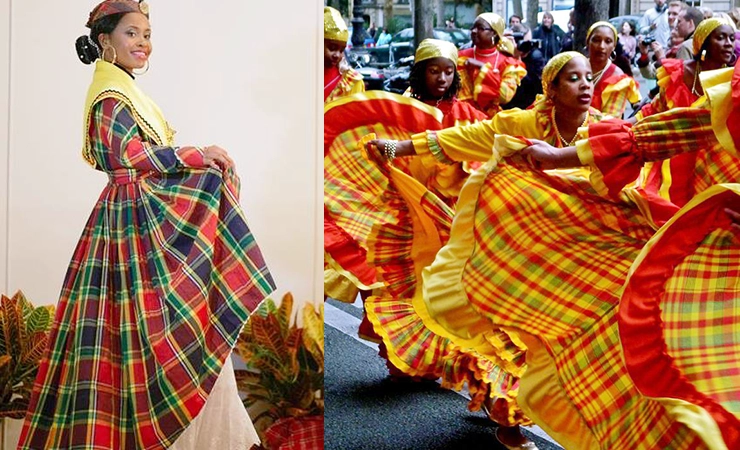
The Madras Wob Dwiyet is a traditional Creole dress that showcases the historical influence of French Caribbean culture. Characterized by its voluminous skirt, fitted bodice, and colorful Madras fabric, the garment is often worn during heritage celebrations and folk performances. Matching headwraps and accessories are frequently included as part of the ensemble. The Wob Dwiyet remains one of the most iconic representations of traditional female dress in Trinidad and Tobago.
Head Tie
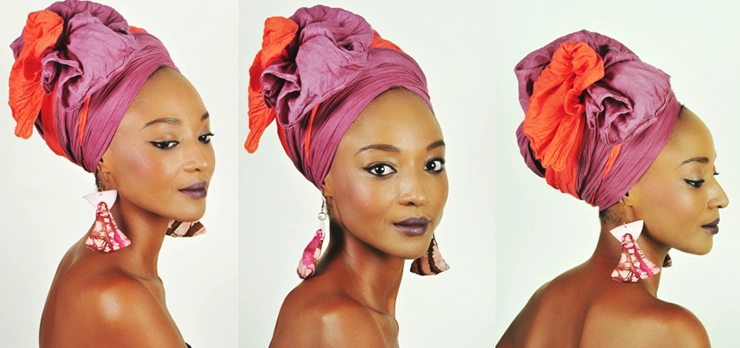
The traditional head tie is an important accessory worn by women as part of cultural and ceremonial attire. Crafted from colorful Madras fabric or other decorative textiles, it is tied in elaborate styles that can vary by occasion and tradition. Historically, head ties carried social and cultural significance while also serving practical purposes. Today, they remain a celebrated symbol of heritage and are commonly seen during festivals and cultural presentations.
Modern Clothing in Trinidad and Tobago

Modern clothing in Trinidad and Tobago reflects the country’s diverse cultural influences and contemporary global fashion trends. Most people wear casual Western-style clothing such as dresses, jeans, trousers, shirts, and business attire in their daily lives. However, traditional garments continue to play an important role during religious festivals, weddings, Carnival celebrations, and national cultural events. The modern fashion industry in Trinidad and Tobago often blends traditional fabrics, colors, and motifs with contemporary designs, creating unique styles that celebrate both heritage and innovation.