

Pryanik
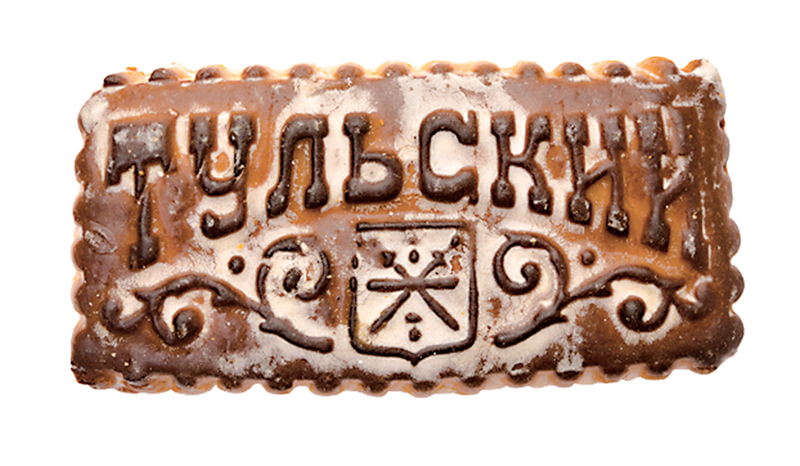
Pryanik is a traditional Eastern European sweet treat, often described as a spiced honey cake or gingerbread. Its name comes from the Old Russian word “pryanost,” meaning spice, reflecting its distinctive flavor profile. Originating over a thousand years ago in ancient Russia, pryanik was initially made with rye flour and honey, later enriched with exotic spices like cardamom, cinnamon, and cloves as trade expanded. One of the most famous variations is the Tulskiy pryanik, named after the city of Tula, which has been producing elaborately decorated and filled pryaniki since the 17th century. These iconic pastries are usually rectangular, stamped with ornate designs, and often filled with jam or condensed milk.
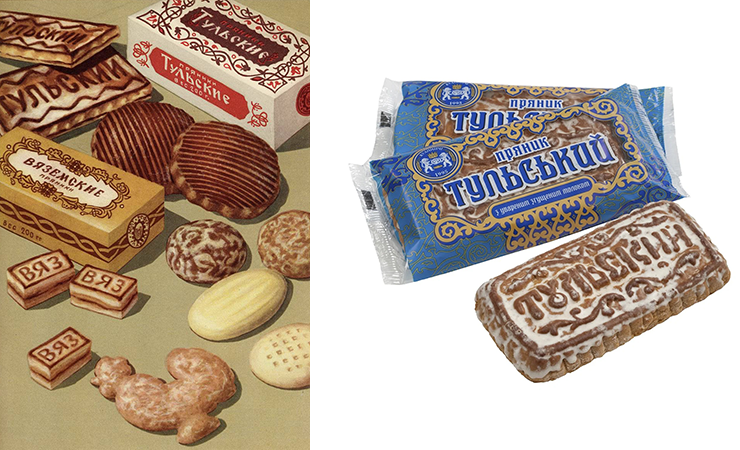
The taste of pryanik is warmly spiced, subtly sweet, and pleasantly dense, with a slightly chewy or cake-like texture depending on the recipe. It’s often enjoyed with tea or coffee, making it a comforting treat during cold weather. Pairing pryanik with a strong black tea or hot milk enhances its aromatic flavors. Some even enjoy it with soft cheese or fruit preserves for added richness.
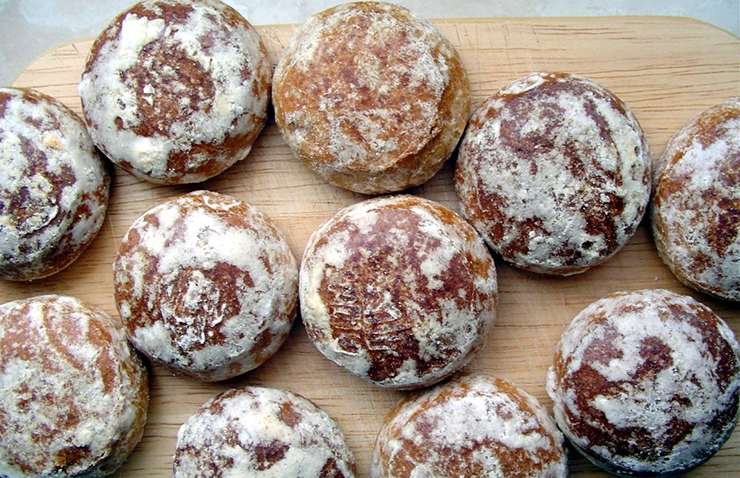
While pryanik contains wholesome ingredients like honey and spices, it is not a low-calorie food. Traditional recipes use flour, sugar, and sometimes butter or fillings, making it a high-carb, moderately high-calorie dessert. However, homemade versions can be adjusted for healthier diets by using whole-grain flour or sugar substitutes. Pryanik remains a beloved cultural symbol, especially during holidays and festive gatherings, offering a nostalgic taste of Slavic culinary heritage with every bite.