

Nutrition for the Brain: How Diet Influences Memory, Mood, and Productivity

The modern rhythm of life demands not only external composure but also internal clarity. We are used to taking care of our skin, body shape, and wardrobe, yet it is becoming increasingly evident that true beauty begins with how the brain functions. Memory, mood, and productivity are not abstract categories but a direct reflection of what appears on our plate every day. Nutrition for the brain is no longer a purely medical term; it has become part of a refined lifestyle where self-care is expressed in subtle details.
The Brain as a Reflection of Lifestyle
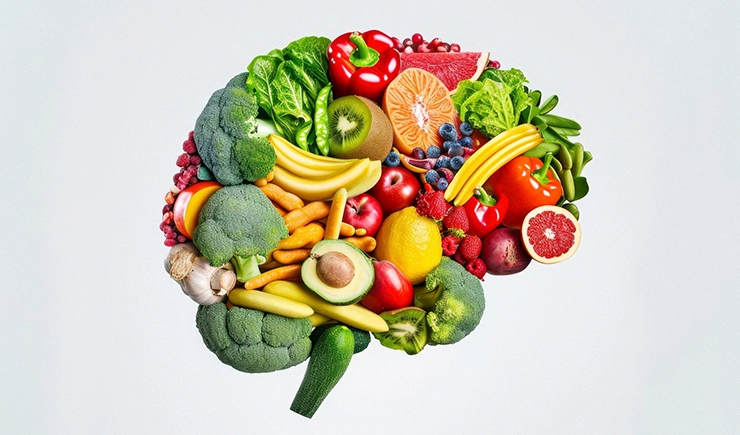
The brain is one of the most sensitive organs to what we eat. It responds to the quality of nutrition faster than we can consciously notice. Lightness or heaviness of thought, emotional stability or sudden mood shifts often begin not with daily events, but with breakfast—or the lack of it. When the diet is overloaded with random, heavy foods, attention becomes scattered and memory seems less sharp. In contrast, a balanced diet creates a sense of internal order, where thoughts become clearer and decisions more precise.
Nutrition and Mental Clarity
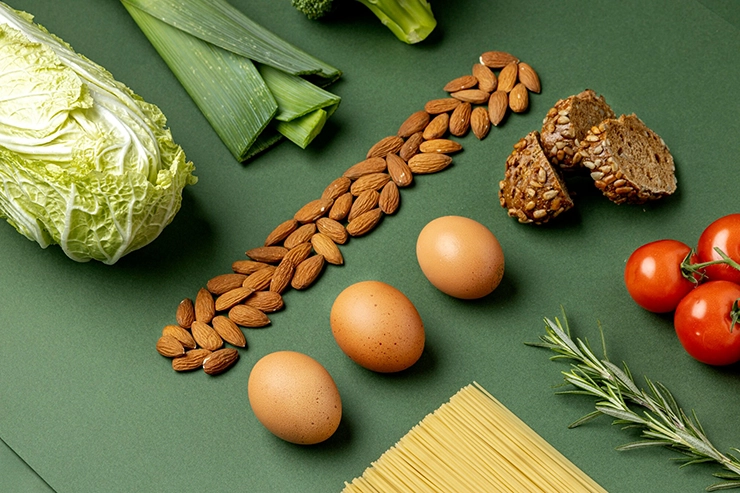
Memory and the ability to concentrate are closely linked to how consistently the body receives essential nutrients. When eating patterns are chaotic, the brain is forced to operate in a constant state of compensation. This is reflected in mood: fatigue appears, motivation decreases, and emotional stability weakens. But once a more conscious approach to food is established, not only does well-being improve, but perception of the world also shifts.
It is important not to aim for strict restrictions, but to create a sustainable eating system. Regular meals, moderation, and attention to food quality form the foundation for stable brain function. This is not about dieting in the conventional sense, but about respect for one’s body and its natural rhythms.
Foods That Support Internal Balance

There are foods that gently and harmoniously support brain function. Nuts help maintain concentration, leafy greens bring a sense of mental freshness, fish provides nutrients essential for memory, and berries support emotional stability. These foods require no complex interpretation—they simply work in favor of clarity and calm.
Naturally sweet fruits help avoid sharp energy fluctuations, while whole grains create a sense of stability throughout the day. Even simple adequate water intake changes perception: the brain feels less fatigued, and mood becomes more balanced. The key is not the number of rules, but their natural integration into everyday life.
Eating Rituals for Focus

Nutrition for the brain is not only about food choices but also about the act of eating itself. Rushing breaks the connection with the body, while mindful eating restores a sense of control. When meals become a distinct moment of the day rather than something done between tasks, the brain receives a signal of stability. This directly enhances the ability to concentrate and maintain emotional balance.
Even simple habits, such as avoiding constant distractions during meals or creating a calm atmosphere at the table, can significantly improve cognitive quality. In such conditions, the brain becomes less overwhelmed and begins to function more smoothly and efficiently.
Diet as Part of the Aesthetic of Life

In today’s understanding, beauty is not only external appearance but also an internal state. Diet becomes part of the aesthetics of life, where every food choice reflects one’s relationship with oneself. When nutrition is harmonious, it is visible not only in well-being but also in facial expression, voice, and the ability to remain composed in challenging situations.
Nutrition for the brain is not a temporary strategy but a subtle form of self-care that shapes long-term quality of life. It influences memory, making it more stable; mood, making it more balanced; and productivity, allowing action without inner tension. In this approach, there are no rigid rules—only attention to oneself, which gradually becomes a natural part of everyday elegance.