Nazareno Fonticoli (Brioni)
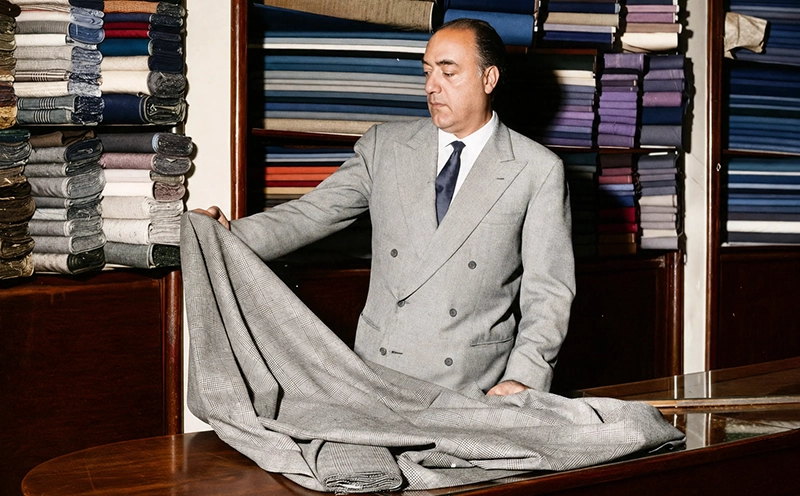
Nazareno Fonticoli (15 November 1906 – 28 July 1988) was an Italian master tailor and fashion entrepreneur whose exceptional craftsmanship helped establish Brioni as one of the most influential names in luxury menswear. Widely regarded as one of the architects of modern Italian tailoring, Fonticoli combined generations of traditional tailoring knowledge with an innovative vision that transformed bespoke menswear into an international symbol of elegance, sophistication, and effortless style. His work played a defining role in shifting the center of luxury men’s fashion from London to Rome during the postwar years, laying the foundation for what would become globally recognized as Italian sartorial excellence.
Born in Penne, a historic town in the Abruzzo region of central Italy, Nazareno Fonticoli grew up in an environment where craftsmanship was deeply respected. Penne had long been associated with skilled artisans, and tailoring was one of the area’s proud traditions. As a young boy, Fonticoli showed remarkable dexterity with fabrics, needles, and patterns. His natural talent encouraged him to pursue tailoring at an early age, and he entered an apprenticeship while still a teenager. During these formative years, he mastered every stage of garment construction, from measuring clients and drafting patterns to hand-stitching jackets and trousers with extraordinary precision.
Unlike many tailors who specialized in only one aspect of garment production, Fonticoli believed that true excellence required complete understanding of every element of bespoke tailoring. He spent years perfecting his techniques, developing an extraordinary eye for proportion, balance, and comfort. His dedication to precision earned him a reputation as one of Italy’s finest craftsmen long before he became internationally famous.
Seeking broader opportunities, Fonticoli eventually moved to Rome, where Italy’s political elite, aristocracy, diplomats, and wealthy businessmen sought the services of exceptional tailors. Rome in the 1930s and 1940s was becoming an increasingly important center for luxury fashion, and Fonticoli quickly distinguished himself through his meticulous workmanship and ability to create garments that balanced elegance with practicality.
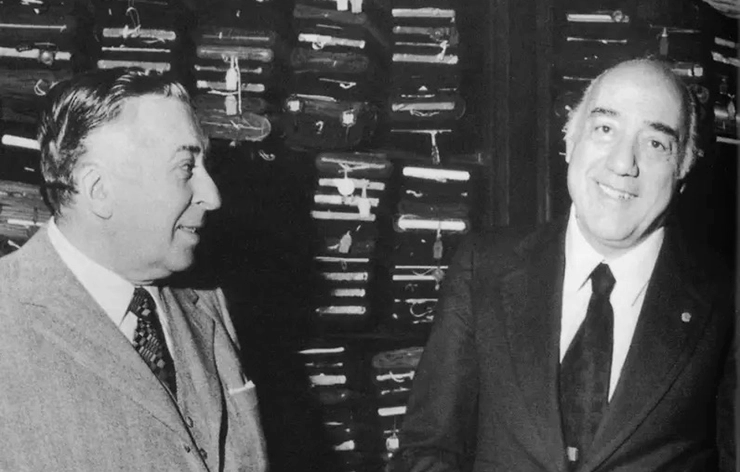
A turning point in his career came when he met entrepreneur Gaetano Savini, a businessman with a strong vision for expanding Italian luxury fashion internationally. While Savini possessed remarkable commercial instincts and marketing talent, Fonticoli brought unmatched technical expertise and tailoring mastery. Their partnership proved transformative for the history of menswear.
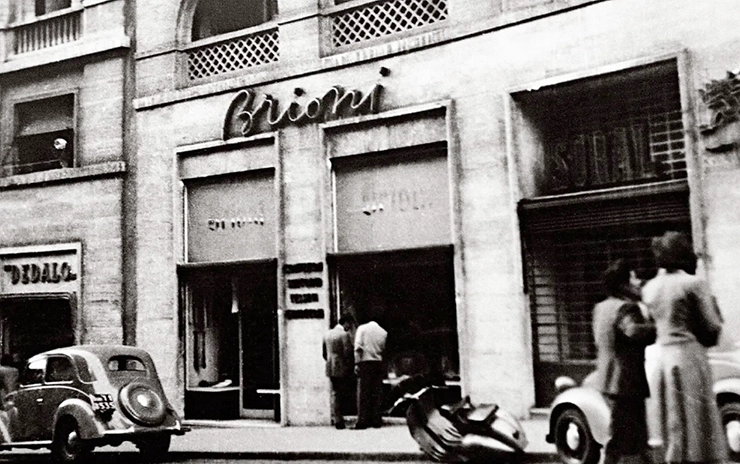
In 1945, shortly after the end of the Second World War, Fonticoli and Savini founded Brioni in Rome. The company was named after the Brijuni Islands, an exclusive Adriatic resort associated with luxury, leisure, and European high society. From its earliest days, Brioni aimed to redefine men’s tailoring by combining traditional handcraft with a lighter, more comfortable silhouette that reflected the relaxed elegance of Italian culture.
At a time when British tailoring dominated luxury menswear, Brioni introduced a distinctly Italian interpretation of the suit. Fonticoli helped develop jackets featuring softer shoulders, reduced internal structure, lighter canvassing, and increased freedom of movement. These innovations produced garments that maintained impeccable sophistication while feeling considerably more comfortable than many traditional English suits.
Every Brioni garment reflected Fonticoli’s uncompromising standards. He believed that each suit should be individually crafted according to the client’s physique rather than forcing the wearer into a predetermined silhouette. Measurements were taken with exceptional accuracy, while countless hours were devoted to fitting sessions that refined every detail of the finished garment.
One of Fonticoli’s greatest contributions to fashion was his insistence on handmade construction. Many stages of production continued to be completed by highly trained artisans using techniques passed down through generations. Hand-sewn buttonholes, carefully shaped lapels, precisely balanced collars, and expertly padded shoulders became signatures of Brioni craftsmanship. These details were often invisible to casual observers but immediately recognizable to knowledgeable clients.
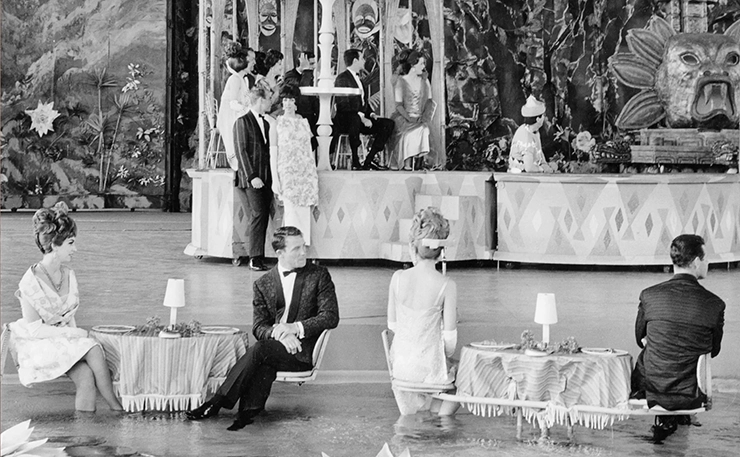
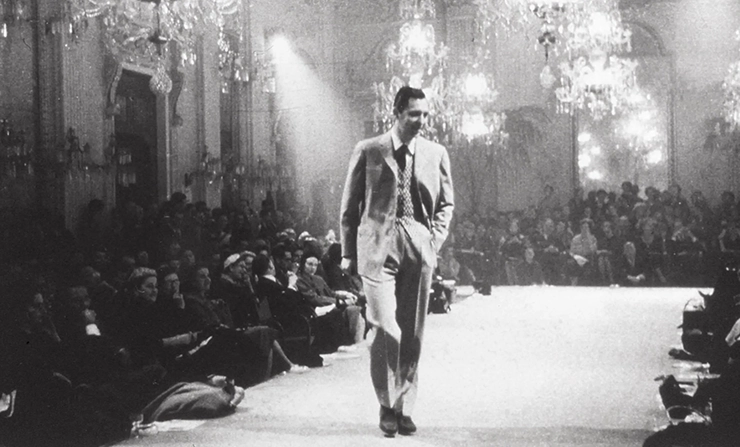
Brioni achieved worldwide recognition in 1952 when the company organized what is widely considered the first modern men’s fashion show at Palazzo Pitti in Florence. This groundbreaking presentation challenged the conventional notion that fashion shows were primarily for women’s clothing. Buyers and journalists from around the world witnessed an entirely new approach to luxury menswear, featuring elegant tailoring, refined colors, and sophisticated styling that reflected Italy’s growing influence in global fashion.
The Florence presentation marked the beginning of Italy’s rise as a dominant force in luxury menswear. Fonticoli’s tailoring techniques received widespread admiration, and Brioni rapidly attracted wealthy international customers seeking an alternative to the rigid traditions of Savile Row.
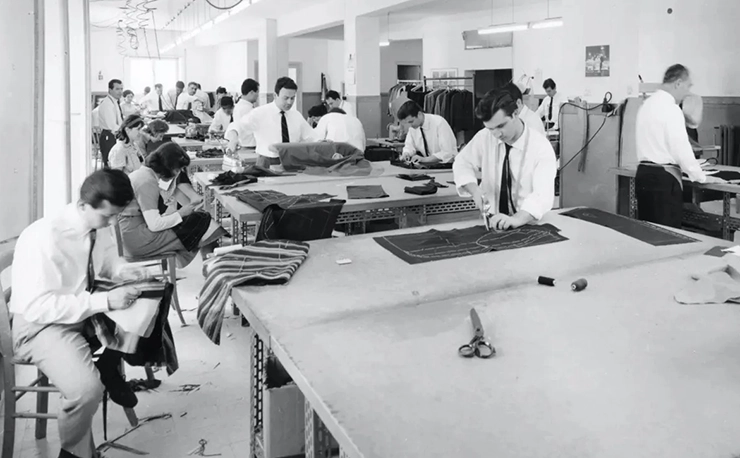
Throughout the 1950s and 1960s, Brioni expanded its international reputation by dressing diplomats, industrialists, business leaders, royalty, and celebrities. Fonticoli maintained close supervision over production, ensuring that every garment met the highest standards regardless of growing demand. Despite the company’s increasing global success, he never compromised on quality or abandoned the artisanal methods that had defined his career.
Hollywood also played an important role in Brioni’s growing prestige. Numerous actors appreciated the clean lines, refined proportions, and luxurious fabrics that characterized Fonticoli’s tailoring philosophy. The brand’s association with cinema strengthened its image as a symbol of confidence, sophistication, and masculine elegance, helping establish Italian tailoring as a global benchmark for luxury.
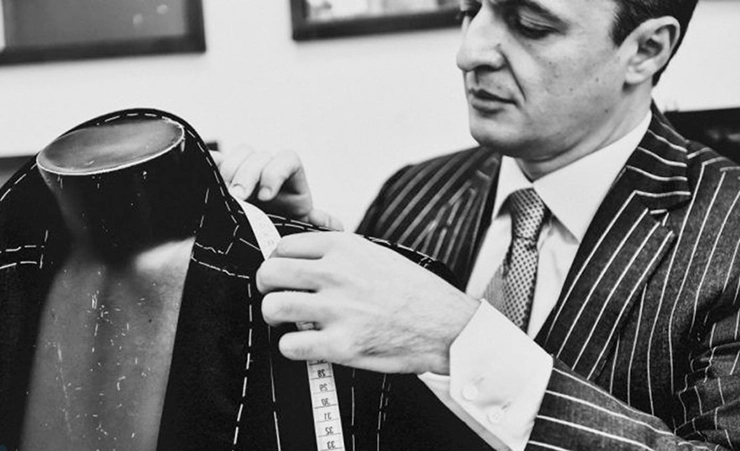
Education became another important aspect of Fonticoli’s legacy. Understanding that craftsmanship could only survive through proper training, he helped establish systems for teaching young tailors the demanding techniques required to create exceptional garments. His emphasis on apprenticeship ensured that traditional Italian tailoring skills continued to be passed from one generation to the next.
Fonticoli was known for his humility despite his extraordinary achievements. Rather than seeking publicity, he preferred to let his work speak for itself. Colleagues frequently described him as patient, disciplined, and deeply committed to perfection. He believed that a successful tailor should remain largely invisible, allowing the garment to enhance the client’s personality instead of drawing attention to the maker.
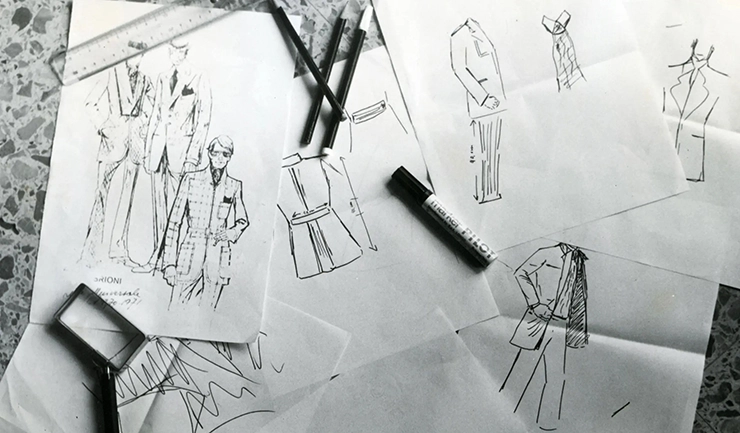
His philosophy emphasized balance rather than excess. He avoided unnecessary ornamentation, focusing instead on impeccable fit, luxurious materials, and subtle refinement. This understated approach became one of Brioni’s defining characteristics and continues to influence luxury menswear today.
Technically, Fonticoli’s achievements extended beyond aesthetics. He continually refined pattern-making methods to improve mobility without sacrificing elegance. Sleeve construction, shoulder shaping, chest drape, and waist suppression were carefully calibrated to create garments that looked structured yet felt remarkably natural when worn. His understanding of body movement helped distinguish Brioni suits from many competitors.
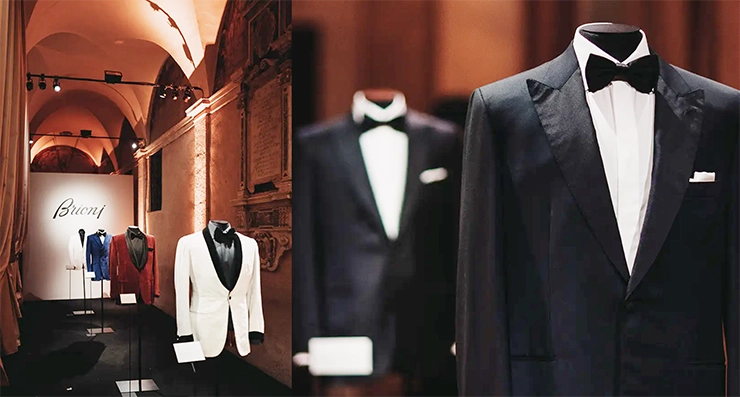
As Brioni grew into an internationally respected luxury house, Fonticoli remained closely connected to the workshop and its artisans. He viewed tailoring not simply as manufacturing but as an artistic discipline requiring patience, discipline, and lifelong learning. Every completed suit represented hundreds of individual operations, many performed entirely by hand.
Nazareno Fonticoli passed away on 28 July 1988, leaving behind one of the most significant legacies in the history of men’s fashion. By the time of his death, Brioni had become synonymous with world-class craftsmanship, exceptional tailoring, and timeless elegance. His influence extended far beyond his own company, inspiring countless Italian tailoring houses and contributing to the global prestige of Made in Italy luxury fashion.
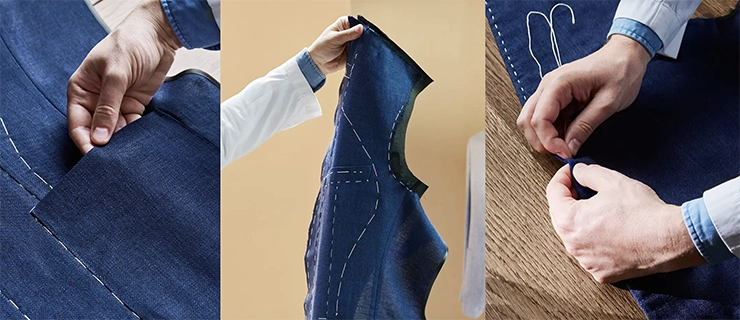
Today, Fonticoli is remembered as one of the founding fathers of modern Italian menswear. The principles he established—meticulous handcraft, individualized fit, uncompromising quality, and understated sophistication—continue to define Brioni’s identity and influence luxury tailoring worldwide. His vision demonstrated that true elegance is achieved not through extravagance but through flawless construction, exceptional materials, and respect for artisanal tradition. Decades after helping revolutionize men’s fashion, Nazareno Fonticoli’s legacy remains firmly woven into the fabric of contemporary luxury tailoring, ensuring that his contributions continue to inspire designers, tailors, and discerning clients around the globe.