

Soviet Metalheads: A Forgotten Fashion Aesthetic
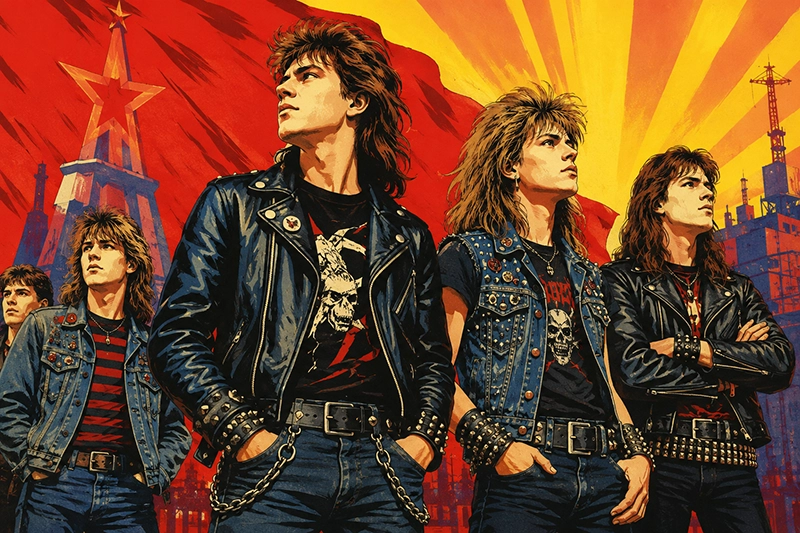
Black leather jackets, studs, long hair, band patches, and heavy boots are now seen as standard elements of the metal subculture. However, in the Soviet Union, this look was not just a matter of taste. For thousands of young people, clothing became a way to assert their identity, find like-minded peers, and express an inner form of protest in a context where access to Western music, fashion, and culture was extremely limited.
The story of Soviet metalheads is not only about music, but also a unique chapter in fashion history. Their style was not born from major brands or designers, but from scarcity, ingenuity, and the desire to look different. That is why many elements from that era reappeared decades later on global runways and continue to inspire designers today.
When Music Became the Language of Clothing
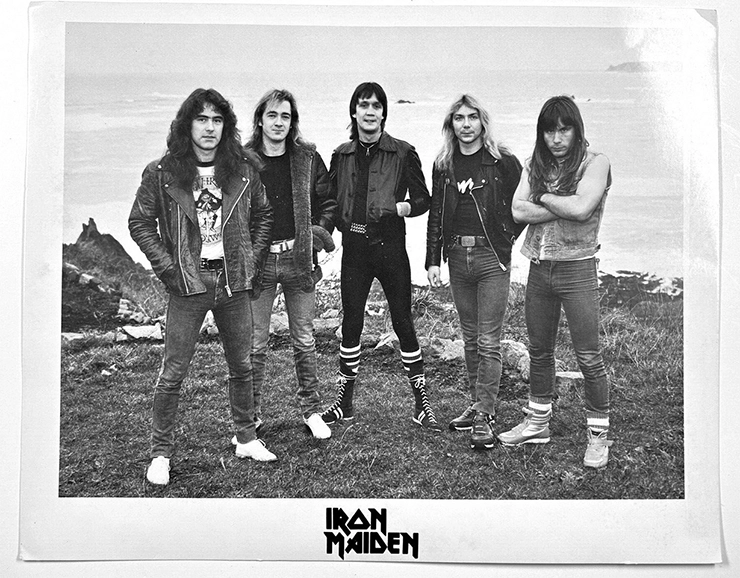
Heavy metal began to penetrate the USSR in the late 1970s through cassette recordings, vinyl records brought in by sailors, diplomats, and tourists, as well as through radio stations like the BBC, Voice of America, and Radio Luxembourg. For most young people, discovering bands like Iron Maiden, Judas Priest, Black Sabbath, Accept, Scorpions, and Motörhead happened in a semi-underground way.
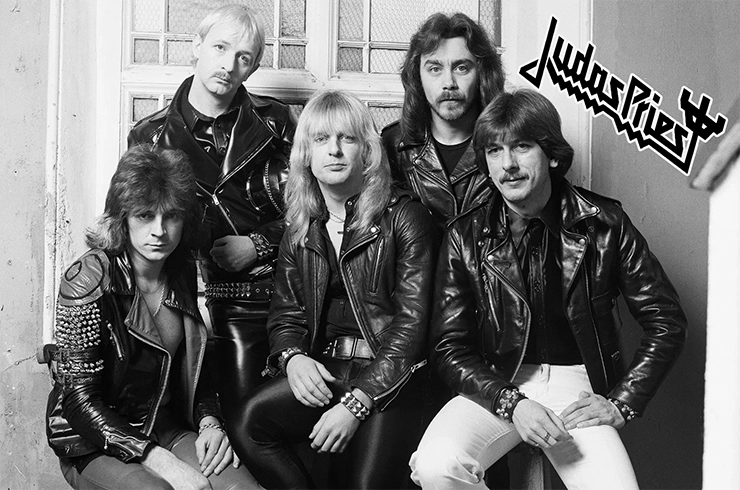
Along with the music came photographs of musicians. These became the main source of inspiration. Young people carefully studied concert photos, album covers, and rare foreign magazines, trying to recreate what they saw using their own means.
This is how a kind of secret dress code emerged, understood only by those “in the know.” A person’s musical preferences could often be identified by appearance long before any conversation took place.
Why Clothing Was a Real Scarcity
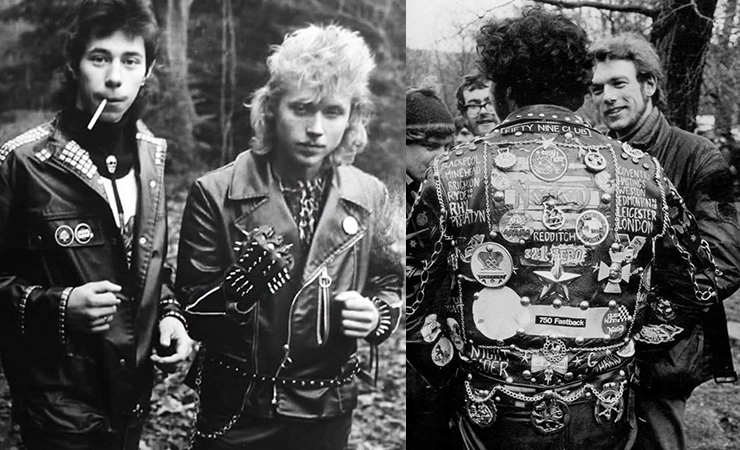
Today, almost any item can be ordered in a few clicks. In the USSR, the situation was the opposite. Western-style leather jackets were rarely sold. Jeans were considered a symbol of Western lifestyle and were extremely expensive. Band T-shirts were almost nonexistent in regular stores. Even simple metal studs or wide belts could be difficult to find. Because of this, Soviet metalheads became true masters of DIY clothing culture.
Patches were hand-painted with acrylic or oil paint. Logos were copied from photos down to the millimeter. Leather bracelets were cut by hand. Studs were bought in hardware stores or removed from old belts and bags. Many people reworked military belts, denim jackets, and army clothing on their own. As a result, almost every outfit became unique.
Key Elements of Soviet Metalhead Style
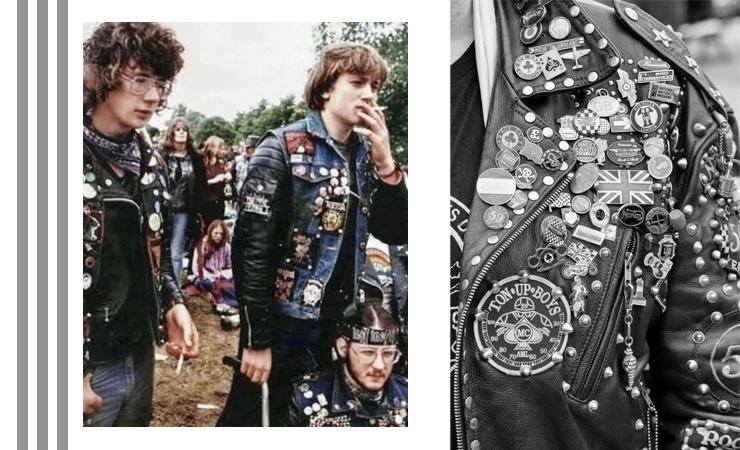
Despite the limitations, a recognizable visual code gradually formed. First and foremost were black leather jackets, which were not always classic biker jackets. Any suitable leather items were often repurposed and altered by hand. Equally important were denim vests covered in patches. These became the true hallmark of metal culture. A large band logo was placed on the back, surrounded by dozens of smaller patches.
A mandatory part of the look was tight black jeans or classic blue Levi’s, if they could be obtained through unofficial channels. Army boots, high boots, heavy domestically produced footwear, wide belts with metal buckles, chains, and various bracelets were also popular. Long hair was another key element of the dress code. It symbolized belonging to global rock culture while also acting as a challenge to conventional Soviet expectations of how men should look.
A Dress Code Without Official Rules
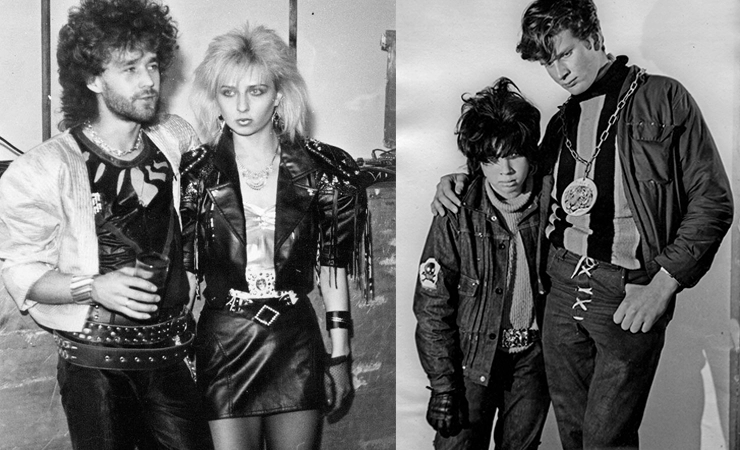
Interestingly, there was no official rulebook. Soviet metalheads were never given instructions on how to dress. The style developed organically through musicians’ photos, concert recordings, and mutual imitation within the community. Every item told a story about its owner.
If a rare patch appeared on a vest, it meant the person had truly managed to obtain rare recordings. If someone wore an original foreign band T-shirt, it was almost certainly brought from abroad or purchased for a high price. In this way, clothing became a kind of biography of musical taste.
DIY Fashion as a Form of Creativity
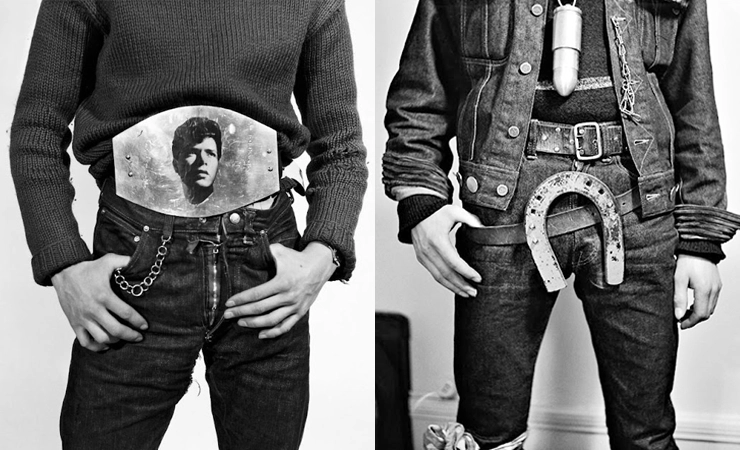
Perhaps the most distinctive feature of Soviet metal style was the absence of mass production. Today, fashion houses deliberately release artificially distressed jeans, worn leather jackets, and vests with decorative patches. In the USSR, such items emerged naturally. Every scuff mark was the result of long wear. Every stud was installed by hand. Every inscription was painted individually.
In this sense, Soviet metalheads were ahead of the modern fashion industry in adopting ideas of customization and personal design. They created garments that could not be exactly replicated. Today, this approach is considered one of the key trends in contemporary fashion.
How Society Viewed Metalheads
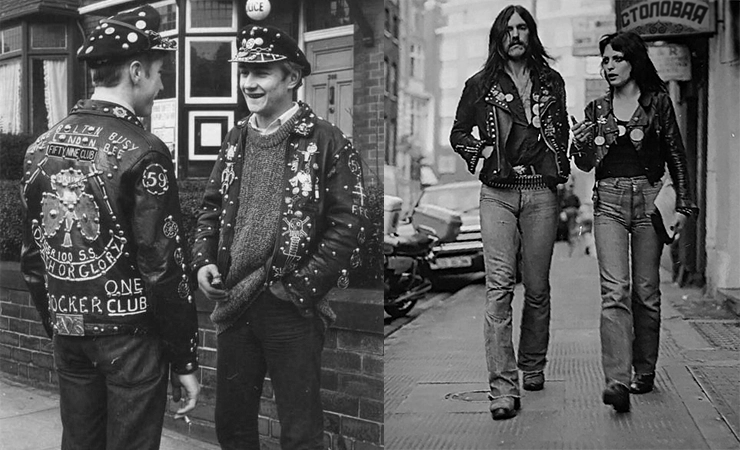
In the 1980s, a long-haired young man in black clothing inevitably attracted attention. Metalheads could be stopped by police for document checks. Their appearance often raised suspicion among older generations, and educational institutions sometimes demanded that they cut their hair or abandon “inappropriate” clothing. At the same time, most members of the subculture were not seeking political protest. For them, music and style came first. However, the simple act of looking different already functioned as a form of personal freedom. That is why clothing gained such strong symbolic importance.
From the Underground to Global Runways
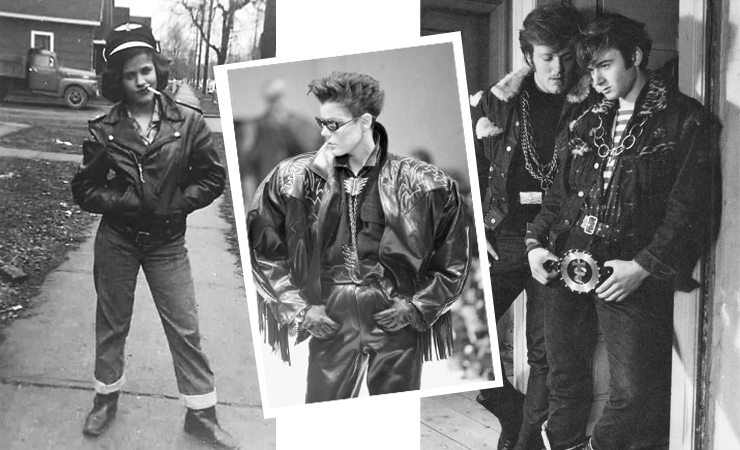
Interestingly, many elements of metal style have long since moved beyond music culture. Black leather, heavy boots, metal hardware, chains, wide belts, and distressed denim regularly appear in collections by leading fashion houses. The influence of metal culture became especially visible starting in the 1990s, when designers began actively drawing on youth subcultures. Over time, these elements were repeatedly reinterpreted, blending with high fashion, minimalism, and even evening wear.
Today, the leather biker jacket is considered a wardrobe staple, and heavy boots have become universal footwear worn far beyond the rock scene. Even decorative patches, clothing customization, and hand-altered denim essentially echo ideas that originated among Soviet metalheads long before the terms “upcycling” and modern personalization culture existed.
Why This Story Still Matters
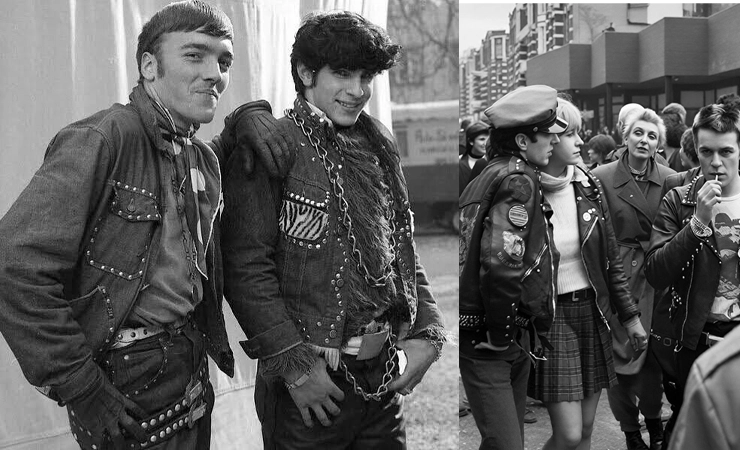
The fashion history of Soviet metalheads is a reminder that the most influential styles are not always born in the ateliers of famous designers. Sometimes they are created by ordinary people who must rely on imagination under conditions of limitation. The Soviet metal dress code became an example of how clothing turns into a language of community, a tool of self-expression, and a cultural symbol. Every hand-drawn patch, modified jacket, or flea-market belt was not just an item of clothing—it told a story of love for music, a desire for freedom, and a wish to be part of a larger global movement.
Today, interest in 1980s aesthetics continues to grow. A younger generation is rediscovering vintage denim, leather jackets, metal accessories, and personalized clothing. But behind the modern popularity of these elements lies a rich history of people who built their style literally from scratch. That is why the fashion of Soviet metalheads remains not just an interesting chapter in subcultural history, but an important example of how constraints can produce truly original aesthetics. What once was necessity-driven creativity under scarcity is now seen as a source of inspiration for designers, vintage collectors, and anyone interested in the history of global fashion.