

Rare Japanese Botanicals in Couture Skincare Lines
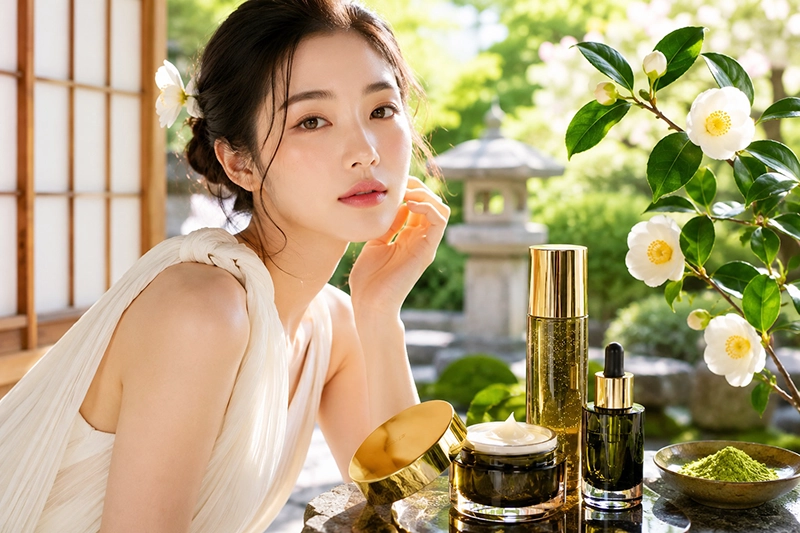
Luxury skincare is no longer defined solely by breakthrough molecules or futuristic laboratories. Instead, the industry’s most exclusive collections are returning to nature—albeit through an uncompromisingly refined lens. The latest generation of couture skincare celebrates provenance as much as performance, placing extraordinary emphasis on where ingredients originate, how they are cultivated, and the centuries-old traditions behind them. Few countries embody this philosophy more elegantly than Japan.
Long admired for its minimalist beauty rituals and profound respect for nature, Japan has become an endless source of inspiration for luxury beauty houses seeking ingredients that combine heritage with scientific credibility. From hand-harvested camellia blossoms and ceremonial-grade matcha to rare forest botanicals found only in specific regions of the archipelago, Japanese flora has quietly become the foundation of some of the world’s most prestigious skincare formulas.
As consumers increasingly associate luxury with authenticity rather than excess, rare Japanese botanicals are emerging as the new symbols of beauty sophistication—ingredients whose exclusivity lies not in marketing but in geography, craftsmanship, and time.
The Rise of Botanical Couture
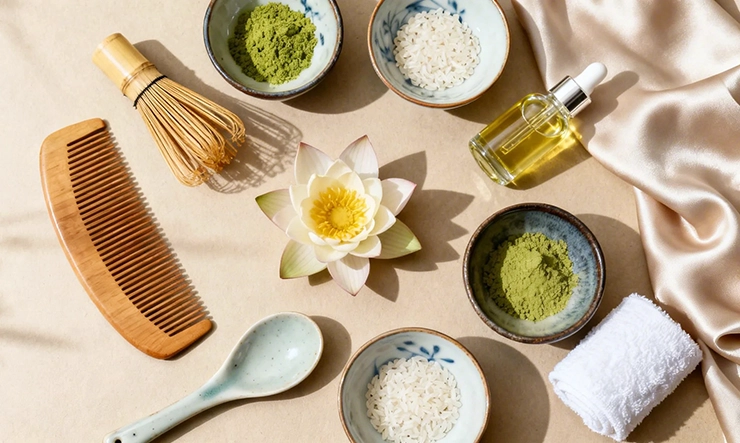
Just as haute couture relies on exceptional fabrics, meticulous craftsmanship, and limited production, couture skincare is embracing an equally discerning philosophy. Today’s luxury beauty consumer expects more than beautiful packaging or celebrity endorsements. They seek formulations built around ingredients with genuine stories, traceable origins, and measurable efficacy.
Japanese botanicals naturally satisfy all three criteria. Many grow only within carefully preserved ecosystems or require highly specialized cultivation techniques passed down through generations. Others are harvested during remarkably brief seasonal windows, making their availability inherently limited. This rarity transforms them from simple plant extracts into beauty ingredients worthy of couture status.
Unlike the broader clean beauty movement, which often celebrates nature in general terms, luxury skincare increasingly focuses on precision sourcing. Brands now proudly identify individual prefectures, family-owned farms, and traditional harvesting methods, creating a narrative that mirrors the appreciation for terroir found in fine wine or artisanal perfumery.
Tsubaki: Japan’s Legendary Beauty Oil
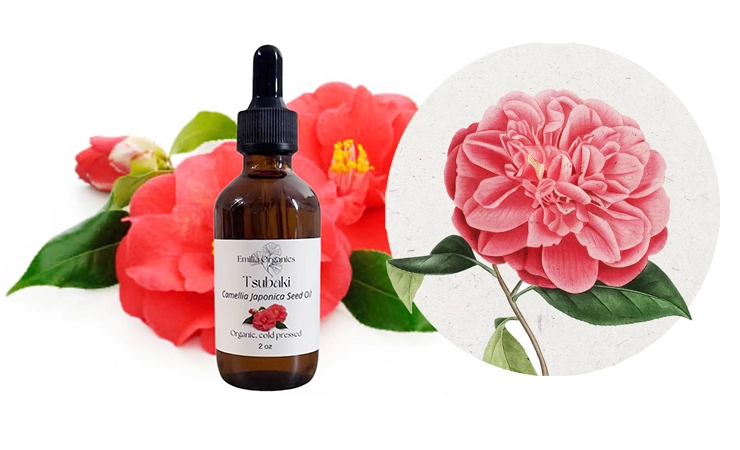
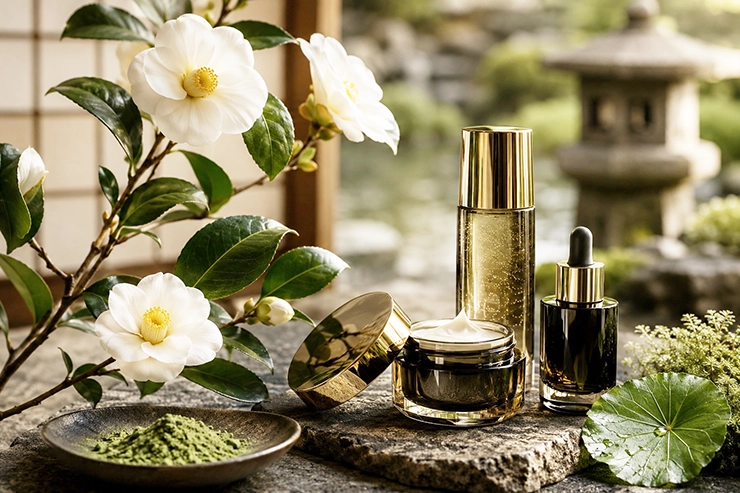
Among Japan’s most iconic botanical treasures is tsubaki, the oil extracted from the seeds of the Japanese camellia. Revered for centuries by geishas and aristocratic women, tsubaki has earned an enduring reputation for preserving exceptionally soft skin and brilliantly lustrous hair.
What makes camellia oil especially appealing to modern luxury formulators is its remarkable composition. Rich in oleic acid and naturally occurring antioxidants, it closely resembles the skin’s own lipid structure, allowing it to absorb effortlessly while helping maintain moisture without leaving behind the heavy finish associated with many botanical oils.
Premium skincare laboratories have elevated this traditional ingredient even further through advanced extraction methods that preserve delicate nutrients while ensuring exceptional purity. Rather than overpowering formulas, tsubaki lends them an understated elegance—precisely the quality that defines modern luxury.
Matcha Beyond Wellness
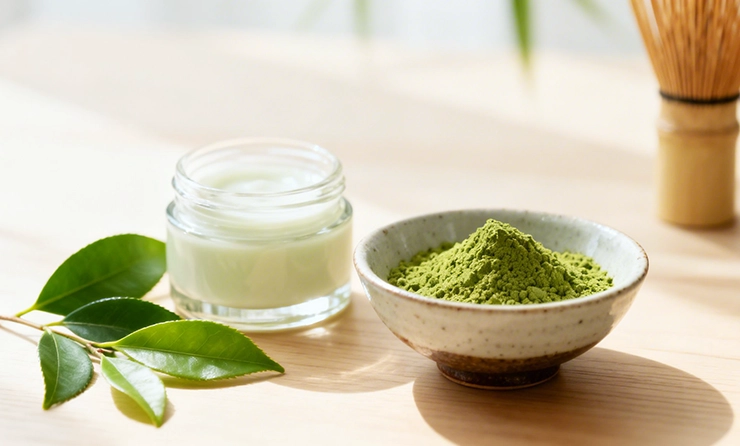
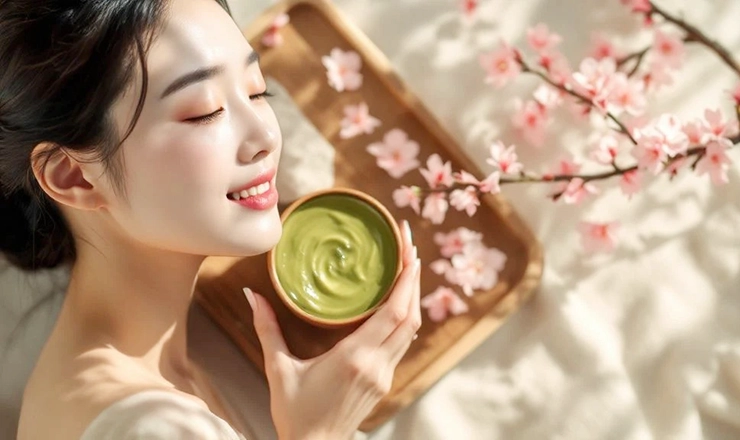
Matcha has become synonymous with wellness culture, yet its role within prestige skincare extends far beyond its popularity as a ceremonial beverage. Only the finest couture skincare collections rely on premium, shade-grown Japanese matcha harvested during the season’s first flush. This meticulous cultivation encourages unusually high concentrations of catechins, amino acids, chlorophyll, and polyphenols, creating an ingredient celebrated for its antioxidant richness and its ability to help defend skin against environmental stress.
Luxury brands increasingly favor cold-processing techniques that protect these fragile compounds throughout formulation. The result is skincare that feels simultaneously rooted in ancient Japanese tradition and supported by contemporary cosmetic science.
Beyond its biological benefits, matcha contributes something equally valuable to prestige beauty: cultural authenticity. Consumers recognize it not merely as another green ingredient but as a botanical deeply intertwined with centuries of Japanese craftsmanship, ritual, and refinement.
Sakura’s Fleeting Beauty Captured in Skincare
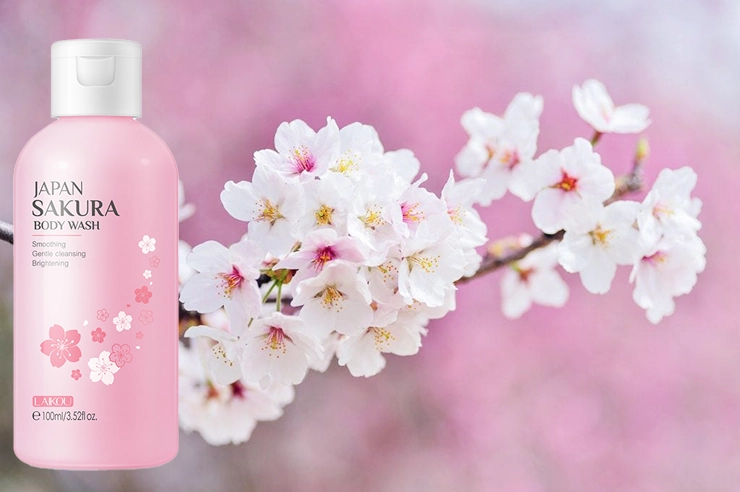
Few natural spectacles possess the emotional resonance of Japan’s cherry blossom season. Every spring, sakura transforms landscapes into fleeting works of art, reminding observers that beauty often exists precisely because it is temporary.
Luxury skincare has embraced this symbolism while moving well beyond decorative marketing. Authentic sakura extracts, obtained from carefully selected blossoms rather than synthetic fragrance compositions, contain naturally occurring flavonoids and polyphenols valued for their antioxidant potential and their ability to enhance skin radiance.
Because the harvest window lasts only a matter of days, sourcing genuine sakura ingredients demands exceptional planning and close relationships with local growers. That limited availability reinforces their desirability, making them particularly attractive to couture beauty houses committed to exclusivity. The ingredient’s appeal extends beyond efficacy. Sakura embodies the Japanese philosophy of appreciating ephemeral beauty, a concept that resonates deeply within luxury fashion, where seasonal collections themselves celebrate moments that cannot be replicated.
Yuzu: The Citrus of Modern Luxury
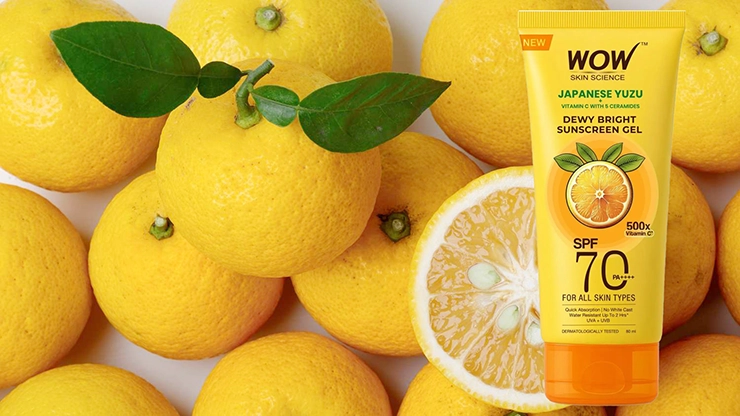
Among Japanese botanicals experiencing remarkable international recognition, yuzu occupies a category entirely its own.
Neither lemon nor mandarin, yuzu possesses an aromatic profile unlike any other citrus fruit, balancing sparkling freshness with subtle floral complexity. Rich in vitamin C and naturally occurring antioxidants, it has become a prized ingredient for luxury skincare seeking both brightening benefits and elevated sensory appeal.
Prestige laboratories carefully refine yuzu extracts to maximize skin compatibility while preserving the fruit’s unmistakable fragrance. The result is an ingredient that contributes not only visible skincare benefits but also an immersive ritual, transforming an ordinary cleansing or moisturizing routine into a multisensory experience. Its growing popularity within niche perfumery has only strengthened yuzu’s position as one of the defining botanical signatures of contemporary luxury.
The Science Behind Fermented Rice
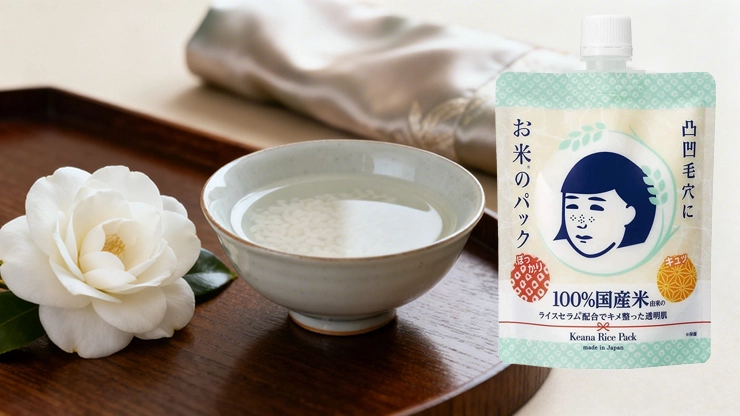
Rice has shaped Japanese culture for thousands of years, but today’s couture skincare interprets this humble grain through the lens of biotechnology.
Controlled fermentation unlocks an entirely new spectrum of beneficial compounds, including amino acids, peptides, minerals, and naturally occurring moisturizing factors that become more bioavailable than those found in untreated rice.
These fermented ingredients support hydration, improve skin texture, and help reinforce the skin barrier, making them particularly valuable within premium anti-aging collections. More importantly, they illustrate the uniquely Japanese ability to merge tradition with innovation rather than viewing the two as opposing forces. Luxury skincare increasingly thrives at precisely this intersection, where ancestral knowledge is enhanced—not replaced—by modern cosmetic science.
Discovering Japan’s Hidden Botanical Treasures
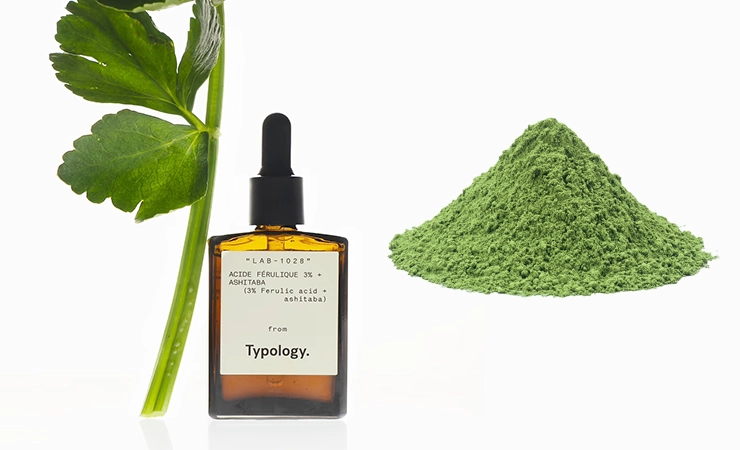
While camellia, matcha, and sakura have achieved global recognition, couture skincare brands continue searching for lesser-known botanicals hidden within Japan’s diverse ecosystems.
Ashitaba, sometimes called the “tomorrow leaf,” has attracted growing scientific attention thanks to its naturally occurring chalcones, antioxidant compounds that remain relatively uncommon in cosmetic formulations. Yomogi, or Japanese mugwort, has become highly sought after for products designed to comfort stressed or sensitive skin, while kuromoji, a fragrant woodland shrub, contributes both aromatic sophistication and gentle botanical support to luxury facial oils.
These ingredients remain relatively unfamiliar outside Japan, precisely the quality that appeals to prestige beauty brands seeking genuine exclusivity rather than mass-market trends. In luxury skincare, rarity is increasingly measured not by price alone but by authenticity and discoverability.
Sustainability Becomes the Ultimate Luxury
Modern luxury no longer separates exclusivity from responsibility. Consumers investing in couture skincare expect extraordinary ingredients to be sourced with equal care for the environments that produce them.
Many Japanese botanical suppliers operate on a remarkably intimate scale, cultivating plants through family-owned farms or small regional cooperatives where biodiversity, seasonal harvesting, and traditional agricultural practices remain central priorities. Rather than maximizing volume, these producers focus on preserving the integrity of each harvest, ensuring that quality consistently outweighs quantity.
This commitment to sustainability enhances rather than diminishes exclusivity. Limited harvests, careful cultivation, and complete traceability have become hallmarks of contemporary prestige, allowing luxury skincare brands to tell stories grounded in genuine craftsmanship instead of manufactured scarcity.
The Future of Couture Skincare Lies in Authenticity
As luxury beauty evolves, consumers are redefining what makes a skincare product truly exceptional. Gold-infused creams and extravagant packaging no longer carry the same prestige they once did. Instead, authenticity, provenance, scientific integrity, and cultural heritage have become the new currencies of luxury.
Rare Japanese botanicals embody this transformation perfectly. Whether harvested from mist-covered mountains, cultivated in centuries-old tea gardens, or gathered during fleeting seasonal blooms, these remarkable ingredients offer something increasingly difficult to replicate: genuine origin. They represent a philosophy of beauty rooted in patience, precision, and respect for nature, qualities that resonate deeply with today’s discerning luxury consumer.
In an industry where innovation often races toward the next breakthrough, Japan’s botanical legacy reminds us that true sophistication sometimes grows quietly over generations. For couture skincare houses, these rare plant treasures are more than ingredients—they are living expressions of craftsmanship, transforming every formula into an experience that feels as timeless, refined, and exquisitely considered as haute couture itself.