

The Champagne Code: What Your Choice Says About You

Champagne is the only wine that has become a global symbol of celebration, yet few understand its true language. The bottle you order, the way you hold the glass, the temperature you serve it at—every detail broadcasts a signal. For those who move in circles where status is read in silence, the choice of champagne is never casual. It is a statement. It reveals whether you belong to the old guard, the new wave, or the restless seekers of novelty. Understanding the language of champagne begins with knowing the houses and what they represent. Each has a distinct voice, a territory of taste, and an unspoken social code.
Moët & Chandon: The Baseline

Moët & Chandon is the most recognizable name in the world. It is also the most misunderstood. In elite circles, ordering a bottle of Moët Impérial at a table of connoisseurs is a rookie move. It signals effort without depth—the equivalent of wearing a well-fitted suit that costs a fraction of what it looks like. It is not a mistake, but it is not a statement either. It is the baseline. Acceptable, but forgettable.
Krug: The Whisper
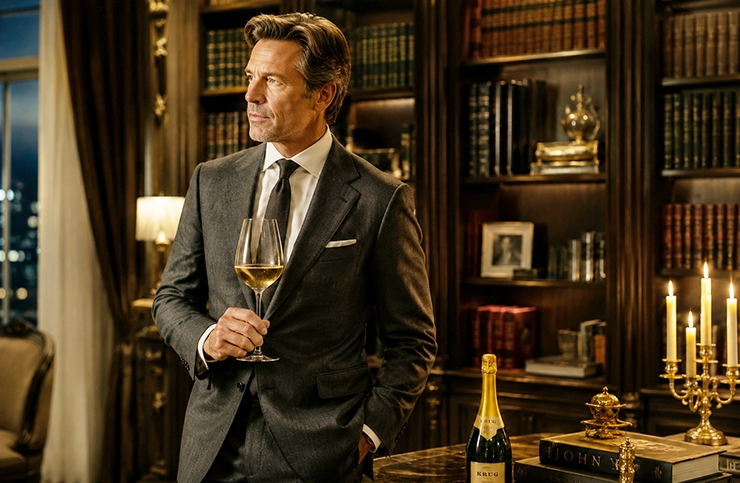
Krug, by contrast, is the champagne of the initiated. It is the choice of someone who has already moved beyond labels and seeks complexity. Krug’s Grande Cuvée is a blend of over 120 wines from a decade of vintages. It is assembled like a symphony—each batch different, each release a conversation starter. Ordering Krug signals patience, curiosity, and a willingness to pay for nuance rather than recognition. It does not scream. It whispers, and the right people hear it.
Dom Pérignon: The Vintage Trap
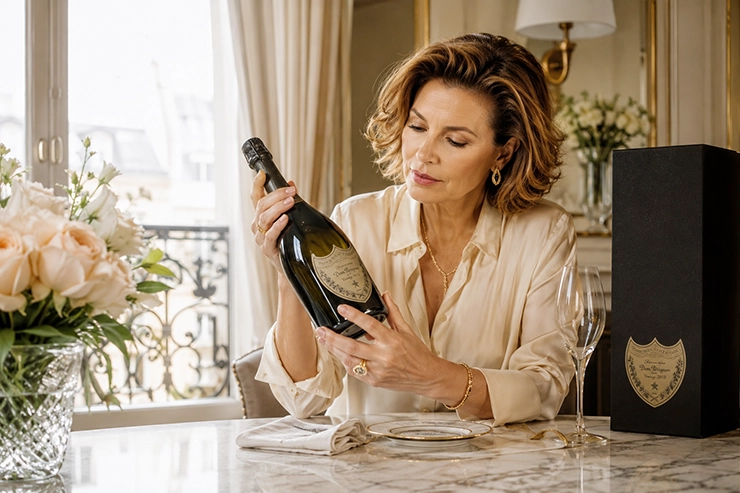
Dom Pérignon occupies a unique space between the two. It is both a status symbol and a deeply serious wine. But the vintage matters enormously. A Dom Pérignon from a poor year is a collector’s item, not a drink. A great year—2008, 2012—is a masterpiece. The person who orders Dom Pérignon without checking the vintage reveals that they know the brand but not the substance. The person who asks for the vintage and nods with understanding before making a selection is communicating something else entirely: they have done their homework.
Cristal: The Declaration
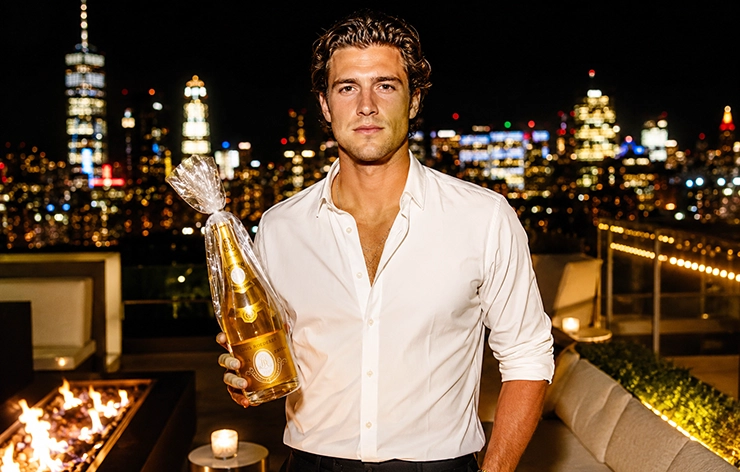
Then there is Cristal. Created for Tsar Alexander II, it is the champagne of royalty and, more recently, hip-hop royalty. It is the most visible luxury champagne, wrapped in cellophane to protect its lead crystal bottle from UV light. Ordering Cristal is a flex. It announces arrival. It is the choice of someone who wants the table to turn and notice. It is not subtle, and it is not meant to be.
Salon: The Secret
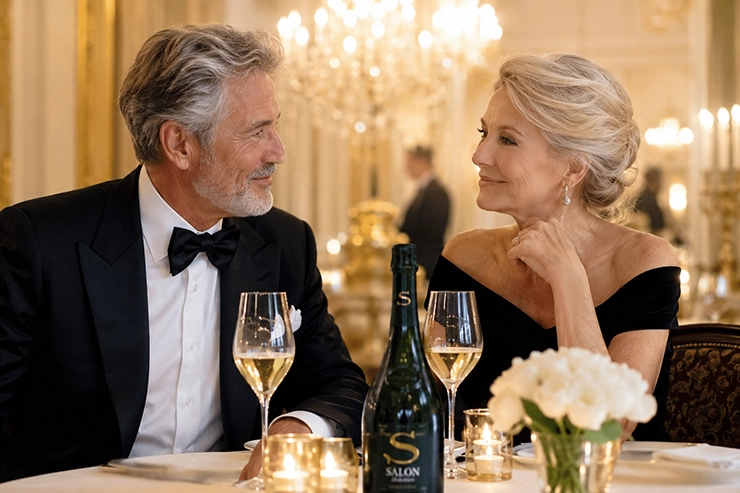
The quietest power move in champagne is Salon. Produced only in exceptional vintages and only from a single vineyard in Le Mesnil-sur-Oger, Salon is the rarest of the great champagnes. It is a wine that demands patience—it ages for a decade before release and can live for half a century. Ordering Salon signals that you are not performing for the room. You are performing for yourself and the one or two people who will truly understand.
The Rituals of Taste
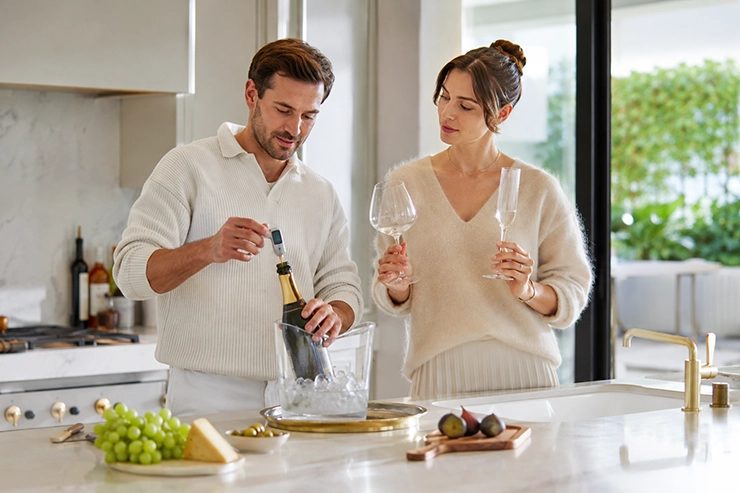
Beyond the choice of house, there are the rituals that separate the refined from the ostentatious. Champagne should never be served too cold. The custom of freezing bottles or burying them in ice is a relic of an era when producers masked flaws with sugar and temperature. True connoisseurs serve their champagne between 8 and 10 degrees Celsius. Just cool enough to refresh, just warm enough to release the bouquet of brioche, citrus, and chalk that defines the great terroirs.
The glass matters equally. Flutes, though beautiful to behold, are the enemy of aroma. The narrow opening concentrates bubbles but traps the wine’s expression. Connoisseurs pour their champagne into white wine glasses—tulip-shaped vessels that allow the nose to develop. If someone hands you a flute, you know the evening is casual. If you see a tulip glass, the conversation is about to get serious.
The Language of the Table
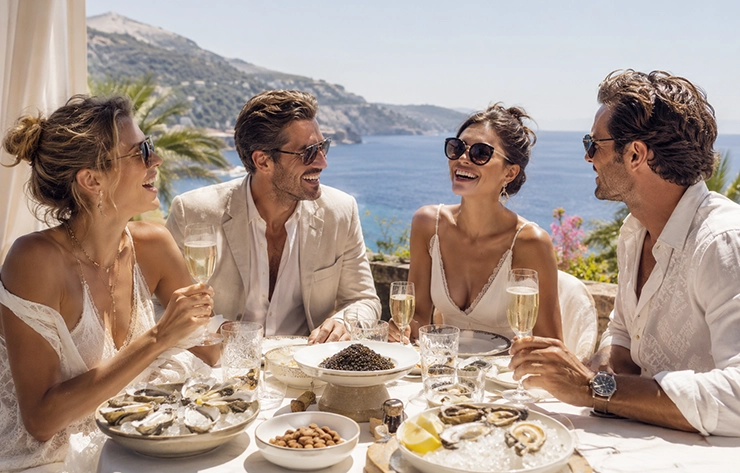
The pairing of champagne with food is where the true mastery emerges. Brut nature and extra-brut champagnes are designed for the table—they cut through richness and elevate flavor. Oysters, caviar, sushi, and even fried chicken find their perfect complement in a crisp, mineral-driven champagne. Fruit and chocolate, however, are traps. The sugar overwhelms the wine, turning its complexity into a flat, bitter aftertaste. If you see chocolate on the table with a glass of good champagne, you are at the wrong dinner.
There is no single correct choice. The mark of true taste is not the bottle you pick but the consistency of your preference. Do you chase rarity, or do you seek quality? Do you value tradition, or do you lean into innovation? The champagne you pour is the answer to the question you may never be asked aloud. When you know what you are ordering and why, you speak the language of luxury. When you order blindly, you are just buying bubbles.