Complete Guide to Slovenian Clothing
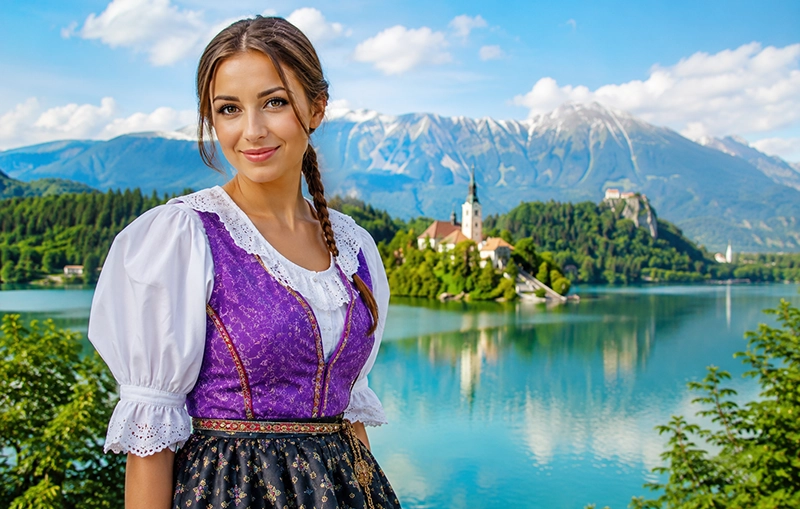
Slovenian clothing reflects centuries of cultural traditions shaped by Alpine villages, the Adriatic coast, the Pannonian plains, and Central European influences. While modern fashion dominates everyday life, traditional garments remain an important part of national identity and are proudly worn during festivals, folk performances, weddings, and cultural celebrations. Regional differences have always played a significant role, with each area developing distinctive fabrics, embroidery, colors, and accessories. This complete guide explores the most recognizable pieces of traditional Slovenian clothing for both men and women, along with an overview of modern fashion in Slovenia today.
Men’s Traditional Clothing in Slovenia
Gorenjska Suknjič
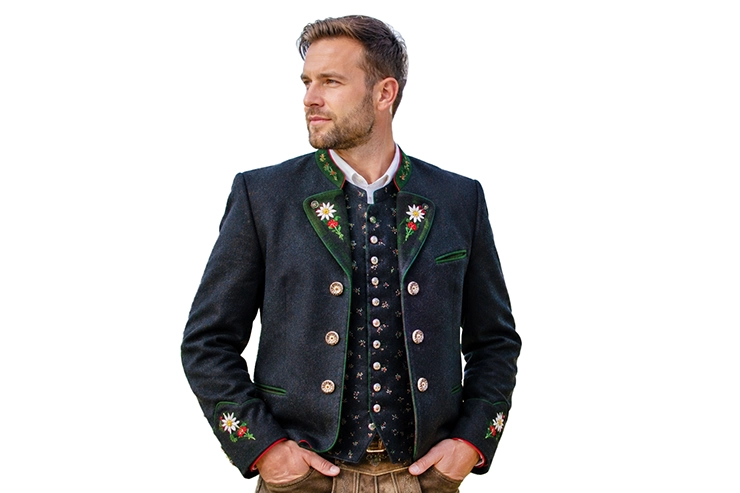
The Gorenjska suknjič is one of the most recognizable traditional jackets in Slovenia, particularly associated with the Upper Carniola (Gorenjska) region. It is usually made from thick wool in dark shades such as black, navy, or deep brown, providing warmth during the country’s cold mountain winters. Decorative metal buttons, fine tailoring, and embroidered details often distinguish higher-quality versions worn for celebrations and religious holidays. The jacket symbolizes dignity and craftsmanship, making it one of the defining garments of traditional Slovenian men’s attire.
Telovnik
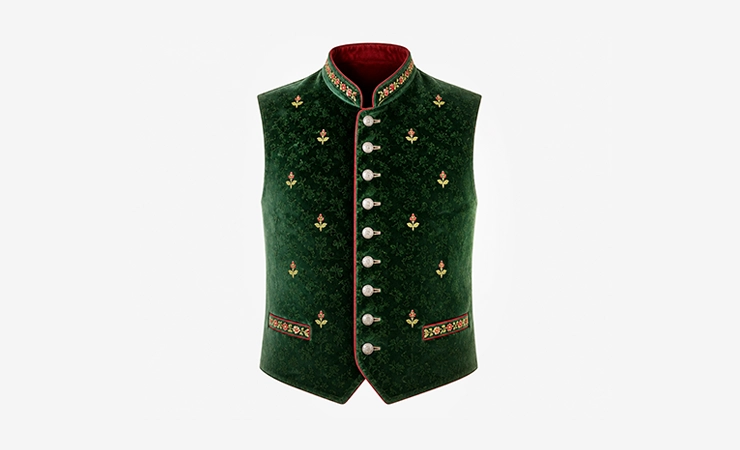
The telovnik is a traditional waistcoat worn over a white linen shirt and beneath the outer jacket. Made from wool, velvet, or brocade depending on the region and the wearer’s social status, it frequently features decorative embroidery and polished metal buttons. Wealthier families often commissioned brightly colored waistcoats with elaborate floral stitching, while everyday versions remained simpler in design. The telovnik adds elegance and structure to the traditional Slovenian male costume and continues to appear in folk ensembles throughout the country.
Bele Hlače
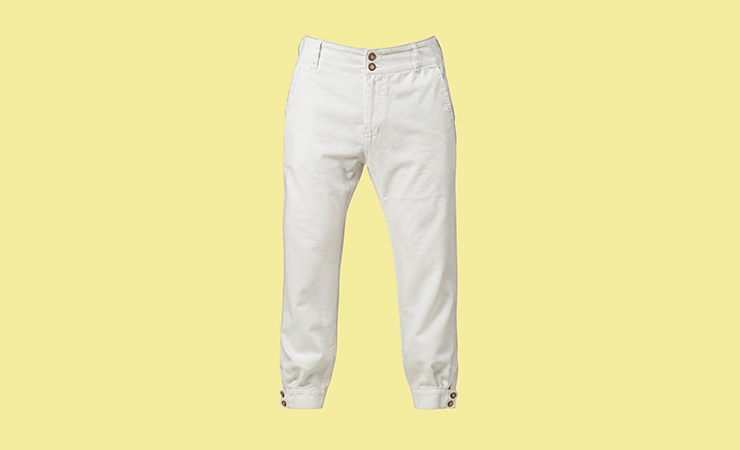
Bele hlače, or white trousers, are a classic component of traditional Slovenian men’s clothing, especially in Alpine regions. Historically crafted from durable linen or homespun wool, these trousers offered comfort while allowing freedom of movement for farming and mountain activities. Their light color contrasted beautifully with dark jackets and colorful waistcoats, creating the balanced appearance typical of Slovenian folk dress. Today, they remain a recognizable feature of ceremonial costumes worn during cultural festivals and traditional dances.
Klobuk
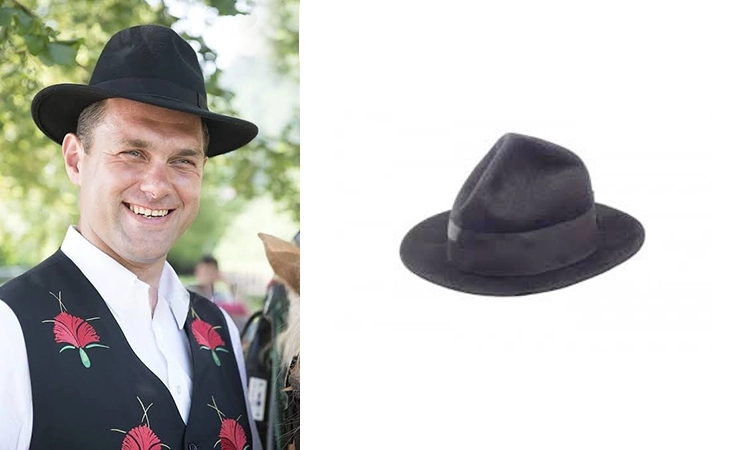
The klobuk, or traditional hat, served both practical and symbolic purposes in Slovenian culture. Felt hats with moderately wide brims were especially common among rural men and were often decorated with feathers, cords, ribbons, or small floral ornaments depending on the local tradition. The style of the hat frequently indicated the wearer’s region and occasionally reflected marital status or festive occasions. The klobuk remains one of the easiest elements of Slovenian national dress to identify and is still proudly worn during folklore events.
Visoki Škornji
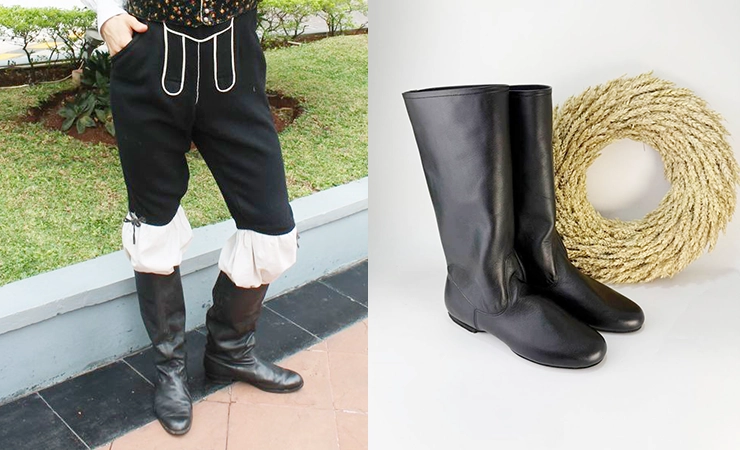
Traditional visoki škornji, meaning high boots, completed the Slovenian male costume while offering protection from rough terrain and harsh weather. Crafted from sturdy leather by skilled local shoemakers, these boots were designed for both agricultural work and ceremonial occasions. During festivals, the boots were carefully polished to complement the formal appearance of the traditional outfit. Their durability and timeless style made them an essential part of Slovenian rural clothing for generations.
Women’s Traditional Clothing in Slovenia
Avba
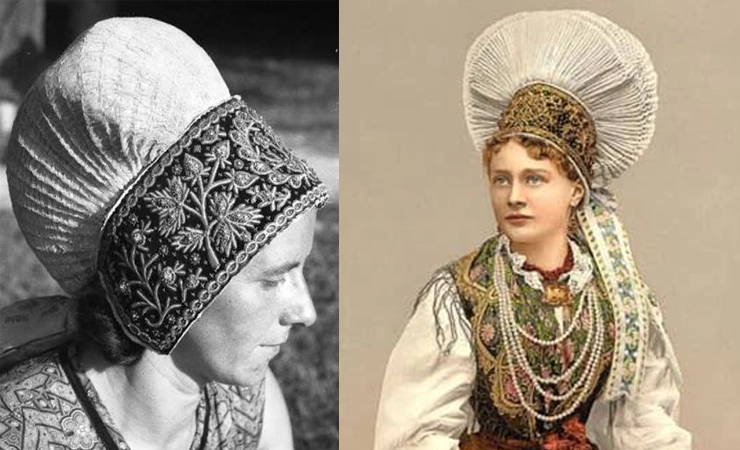
The avba is one of the most famous pieces of Slovenian women’s traditional clothing, serving as an elaborate ceremonial headdress. Usually worn by married women in several regions, especially Gorenjska, it is richly decorated with lace, embroidery, ribbons, beads, and metallic ornaments. Every handcrafted avba required considerable skill and often represented a valuable family heirloom passed between generations. It remains one of the strongest visual symbols of Slovenian national costume and traditional craftsmanship.
Rokavci
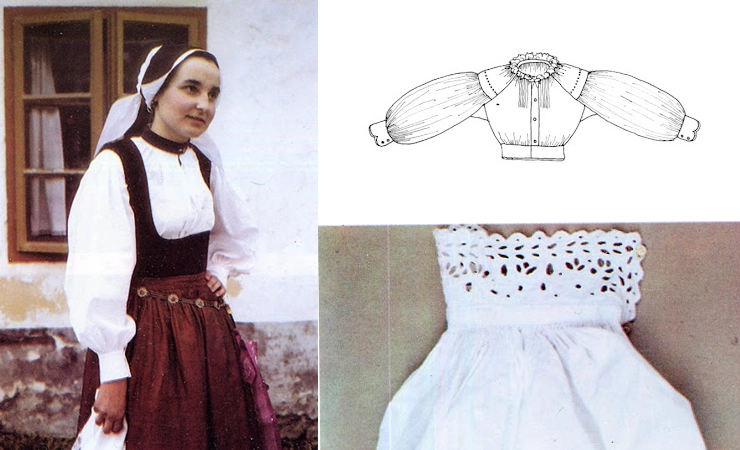
Rokavci are beautifully embroidered white blouses that form the foundation of traditional Slovenian women’s attire. Made primarily from fine linen or cotton, they feature long sleeves decorated with delicate lace and colorful embroidery around the cuffs, collar, and shoulders. Regional embroidery patterns often reflected local artistic traditions and family heritage. The elegance of the rokavci demonstrates the high level of textile craftsmanship that has long characterized Slovenian folk culture.
Krilo
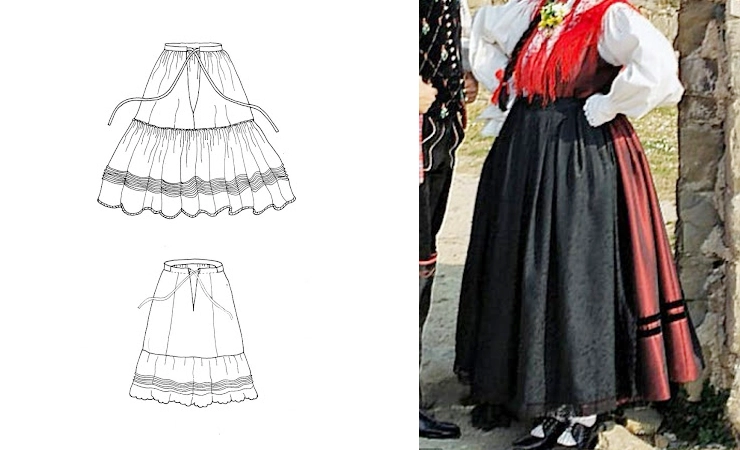
The traditional krilo, or skirt, is known for its generous volume, carefully arranged pleats, and durable woven fabrics. Colors and decorative details vary widely between Slovenian regions, ranging from darker tones in Alpine communities to brighter combinations in eastern areas. The skirt was designed to allow comfortable movement while maintaining an elegant silhouette during festivals and folk dances. Combined with embroidered aprons and fitted bodices, the krilo creates one of the most recognizable looks in Slovenian women’s national dress.
Predpasnik
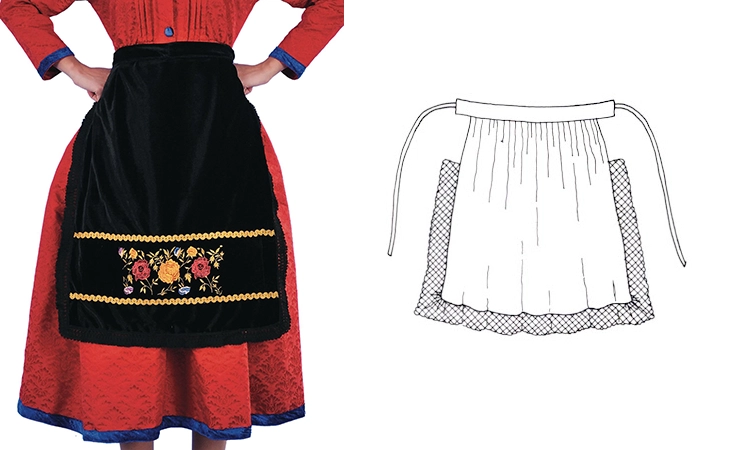
The predpasnik, or apron, is much more than a practical garment in Slovenian traditional clothing. It often features elaborate embroidery, woven stripes, lace borders, and colorful floral motifs that showcase exceptional local craftsmanship. Aprons were carefully matched with skirts and bodices to create harmonious festive outfits while also protecting clothing during daily household work. Today, the predpasnik remains an indispensable part of authentic Slovenian folk costumes presented during cultural celebrations.
Životec
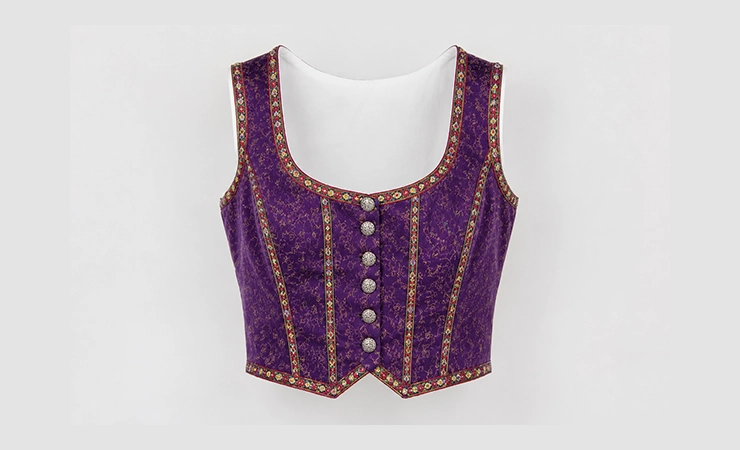
The životec is a fitted bodice traditionally worn over the blouse and beneath decorative accessories. Typically made from velvet, wool, or richly woven fabrics, it accentuates the waist while adding elegance and structure to the overall costume. Decorative buttons, colorful embroidery, and carefully stitched edging often distinguished festive versions from everyday garments. The životec reflects the refined tailoring traditions that have been preserved in Slovenian national clothing for centuries.
Modern Clothing in Slovenia

Modern clothing in Slovenia combines international fashion trends with an appreciation for local craftsmanship and sustainable design. Most Slovenians wear contemporary European styles in everyday life, with casual wear, business attire, and outdoor clothing being especially popular due to the country’s active lifestyle and mountainous landscape. Traditional garments continue to play an important role during folklore festivals, national celebrations, cultural events, and weddings, helping preserve Slovenia’s rich textile heritage. Today, many Slovenian designers also draw inspiration from historical embroidery, regional patterns, and traditional tailoring, blending national identity with modern fashion to create clothing that honors the country’s cultural roots while appealing to contemporary audiences.