

Tomme

Tomme is a family of cheeses originating mainly from the French Alps and the Swiss Romandy region, though varieties are also made in other mountainous areas of France. The word “tomme” (or “toma” in certain dialects) historically refers not to a single recipe, but to a style of cheese made in small rounds, often by local farmers using leftover skimmed milk after cream had been removed for butter production. This practice dates back centuries, making tomme one of the oldest rustic cheeses in the Alpine tradition. Because of its origins as a low-fat byproduct, traditional tomme is less rich than many other cheeses, though modern versions may use whole milk for a creamier texture.
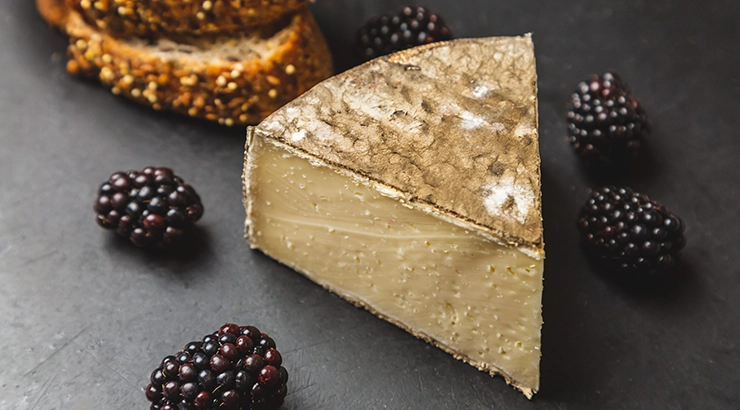
The flavor of tomme varies depending on the region, milk source, and aging time, but it is typically mild to medium in intensity, with earthy, nutty, and grassy notes that reflect the alpine pastures where the cows, goats, or sheep graze. Its texture ranges from semi-soft to firm, often with a natural, mottled rind that adds to its rustic appeal. Tomme is versatile and can be enjoyed sliced on fresh bread, melted into gratins, or served alongside potatoes and cured meats. It pairs beautifully with crisp white wines like Sauvignon Blanc, light reds such as Pinot Noir, or even farmhouse ales and dry ciders. Fresh fruit like pears and apples, as well as nuts and honey, make excellent companions.
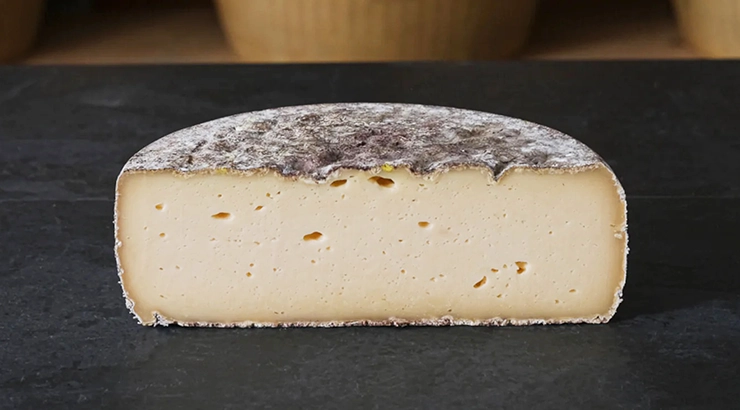
Calorie content depends on the milk fat used, but traditional skimmed milk tomme tends to be lower in fat than creamy cheeses like Brie, making it relatively diet-friendly in moderation. However, artisanal whole milk versions are richer and should be enjoyed as a treat rather than a staple.