

Complete Guide to Tonga Clothing
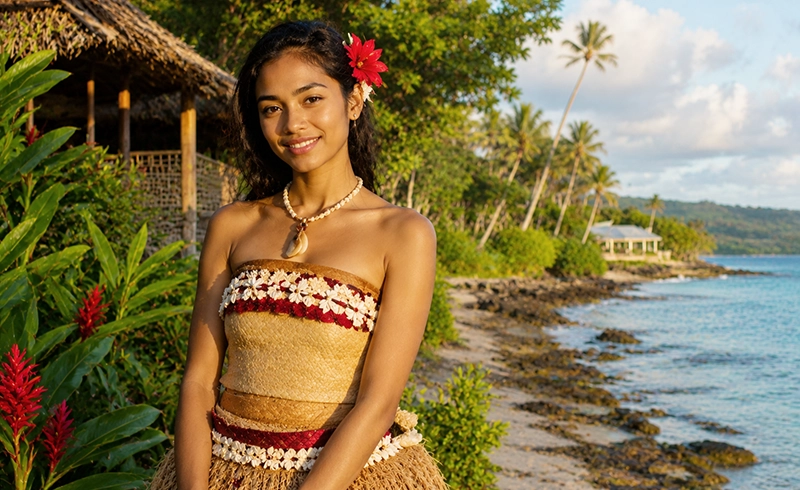
Tonga clothing reflects centuries of Polynesian tradition, respect for cultural values, and strong community identity. Traditional garments remain an important part of everyday life, religious ceremonies, weddings, funerals, and national celebrations throughout the Kingdom of Tonga. While contemporary fashion has become increasingly common, many Tongans proudly preserve their distinctive national dress and continue to wear traditional clothing for significant occasions. Understanding Tonga clothing offers valuable insight into the country’s history, customs, craftsmanship, and enduring cultural heritage.
Men’s Traditional Clothing in Tonga
Tupenu
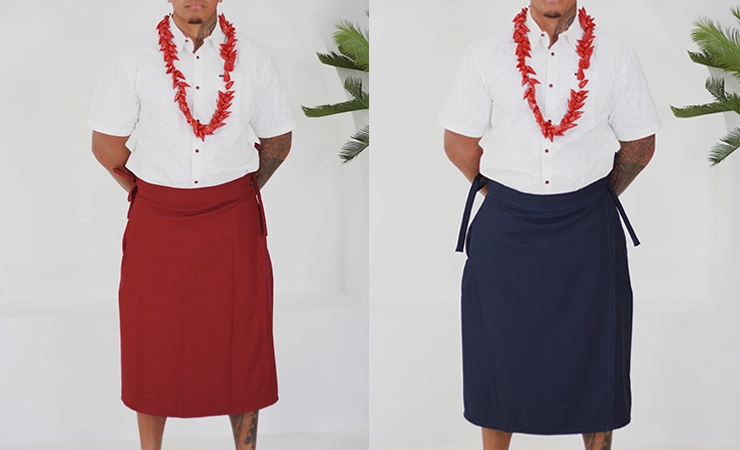
The tupenu is one of the most recognizable garments in traditional Tonga clothing for men. It is a rectangular wraparound cloth worn around the waist, similar to a sarong, and is usually secured by carefully folding the fabric rather than fastening it with buttons or zippers. Tupenu garments are commonly made from cotton or lightweight fabrics suitable for Tonga’s tropical climate. Men wear the tupenu both for everyday activities and formal events, often pairing it with a collared shirt and traditional accessories.
Taʻovala
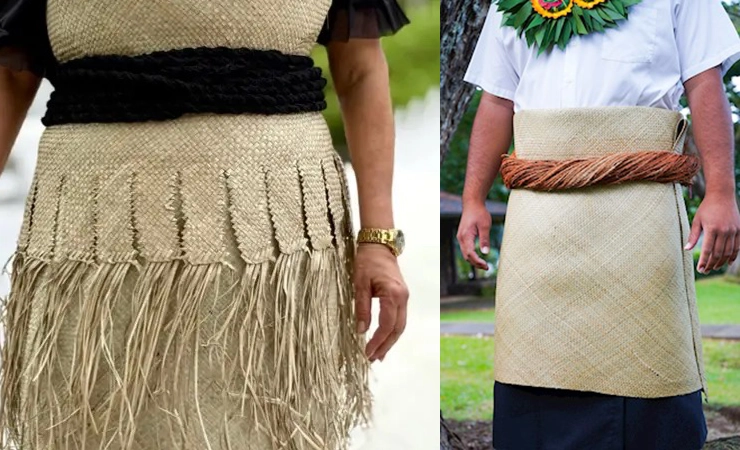
The taʻovala is the national ceremonial waist mat and one of the most important symbols of Tongan identity. Woven from dried pandanus leaves, it is tied around the waist over the tupenu using a decorative braided rope called the kafa. Wearing a taʻovala demonstrates respect, humility, and adherence to cultural traditions, especially during church services, weddings, funerals, royal events, and official ceremonies. Different styles, sizes, and weaving patterns indicate the formality of the occasion and sometimes even the wearer’s social status.
Kafa
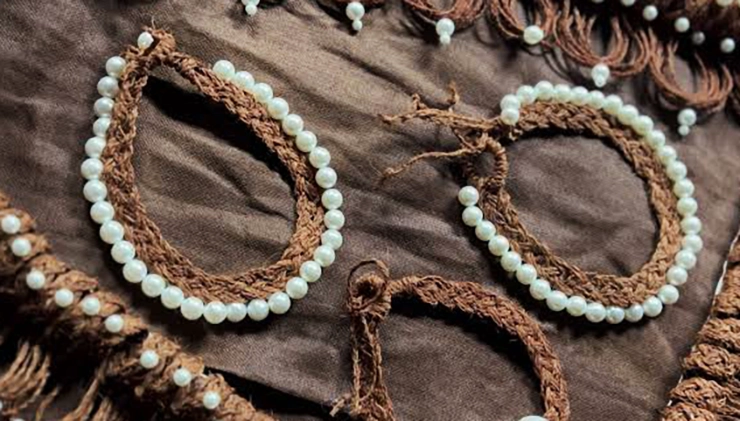
The kafa is a hand-braided cord traditionally used to secure the taʻovala firmly around the waist. It is commonly braided from coconut fiber, sennit, or other durable natural materials, with some ceremonial versions featuring intricate craftsmanship passed down through generations. Beyond its practical purpose, the kafa represents discipline, dignity, and cultural pride in Tongan society. Decorative kafa belts are often treasured family heirlooms that accompany formal traditional attire.
Kiekie
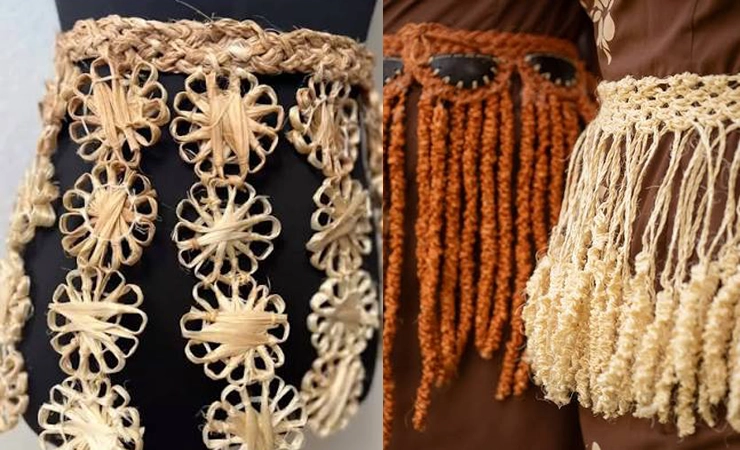
Although more commonly associated with women’s attire today, certain styles of the kiekie are also worn by Tongan men during cultural performances and ceremonial occasions. Men’s kiekie are typically crafted from natural fibers, coconut husks, or pandanus strips and feature a simpler, less decorative appearance than women’s versions. They add texture and visual distinction to traditional clothing while preserving historical dress customs. Their continued use highlights the adaptability of traditional Tongan fashion across different ceremonial settings.
Ngatu
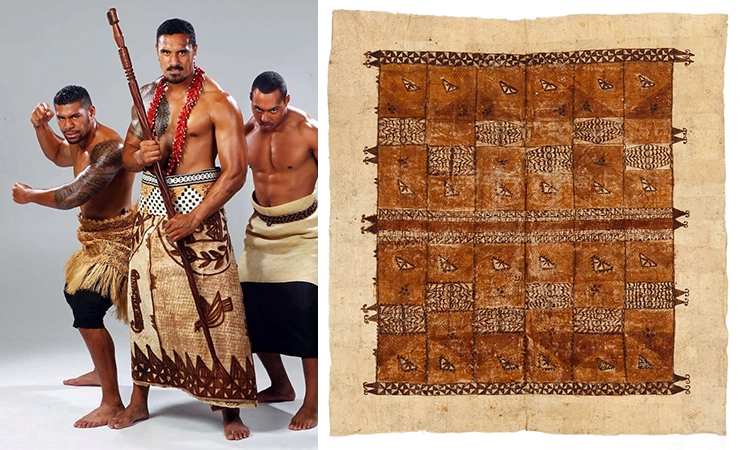
Ngatu, also known as Tongan tapa cloth, plays a central role in ceremonial clothing and cultural presentation. Made from the inner bark of the paper mulberry tree, ngatu is decorated with intricate geometric and symbolic designs created through traditional techniques. Men may wear garments or ceremonial wraps incorporating ngatu during important cultural celebrations, chiefly ceremonies, or royal occasions. Beyond clothing, ngatu represents generosity, family heritage, and the collective work of communities who produce these remarkable handcrafted textiles.
Women’s Traditional Clothing in Tonga
Tupenu
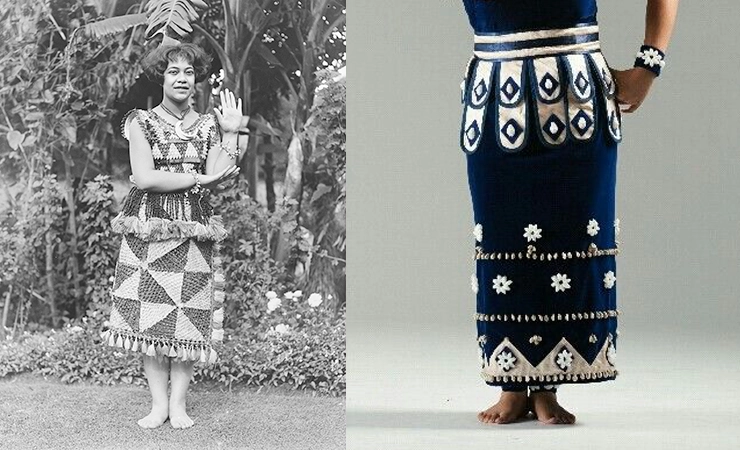
Women also wear the tupenu, although the style is often longer and designed to complement blouses, dresses, or ceremonial garments. Women’s tupenu are available in a wide variety of colors, floral prints, and elegant fabrics suitable for both daily wear and formal events. The garment provides comfort in the tropical climate while maintaining a modest appearance that aligns with Tongan cultural values. Many women own several tupenu for different occasions, ranging from casual outings to church services.
Kiekie
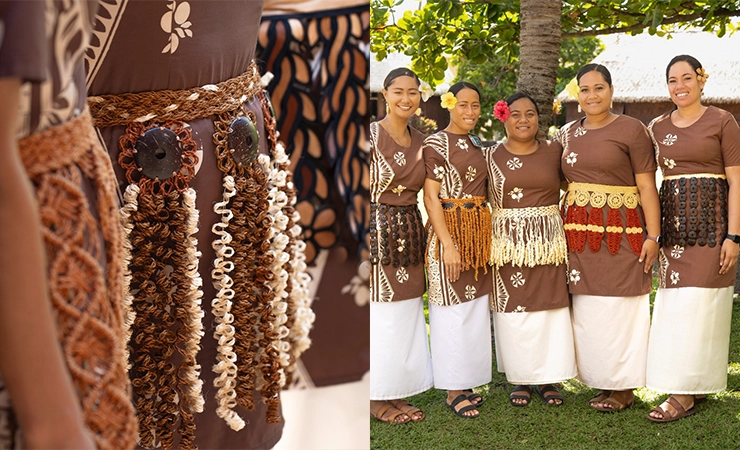
The kiekie is one of the most distinctive elements of women’s traditional Tonga clothing. Worn around the waist over the tupenu or dress, it resembles a decorative overskirt made from woven plant fibers, feathers, shells, ribbons, or other ornamental materials. Modern kiekie often incorporate colorful synthetic fibers while preserving traditional weaving techniques and craftsmanship. Women wear different styles depending on the occasion, with highly elaborate pieces reserved for weddings, important ceremonies, and celebrations.
Taʻovala
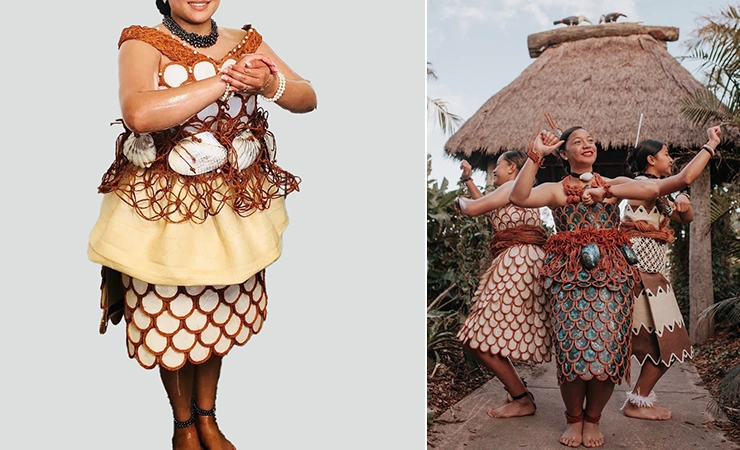
The women’s taʻovala shares the same deep cultural significance as the men’s version but is often produced with exceptionally fine weaving and elegant detailing. It is worn over the tupenu and tied securely with a kafa, especially during church attendance, state occasions, and important family events. Many taʻovala are handmade over several months and become cherished heirlooms passed from one generation to the next. Wearing a finely crafted taʻovala reflects respect for tradition and appreciation for skilled artisans.
Kafa
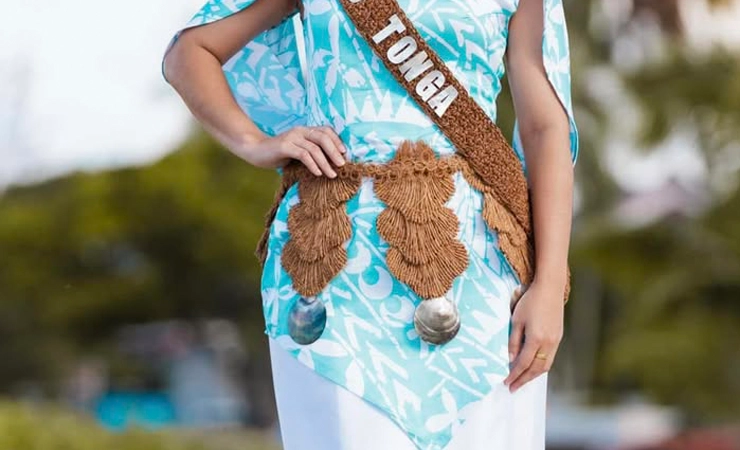
Women also wear the kafa to fasten ceremonial waist mats securely in place. Female kafa may feature intricate braiding techniques and occasionally include decorative elements that enhance formal attire without overshadowing the taʻovala itself. Crafting a high-quality kafa requires patience, experience, and knowledge passed through families and local artisans. It remains an essential finishing detail for complete traditional ceremonial dress.
Ngatu
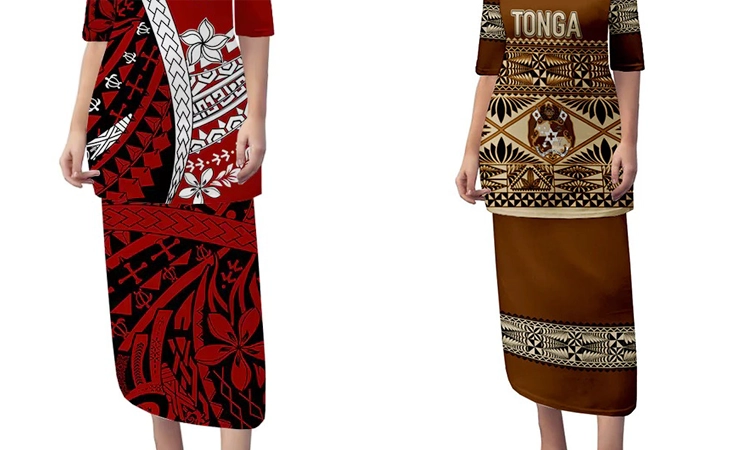
Women’s ceremonial attire frequently incorporates beautifully decorated ngatu cloth for special occasions. These tapa cloth wraps showcase traditional motifs that symbolize ancestry, nature, community, and important cultural beliefs unique to Tonga. During weddings, funerals, and major celebrations, ngatu garments emphasize dignity, heritage, and respect for family traditions. Producing ngatu remains a collaborative cultural practice that strengthens community bonds and preserves ancient artistic skills.
Modern Clothing in Tonga
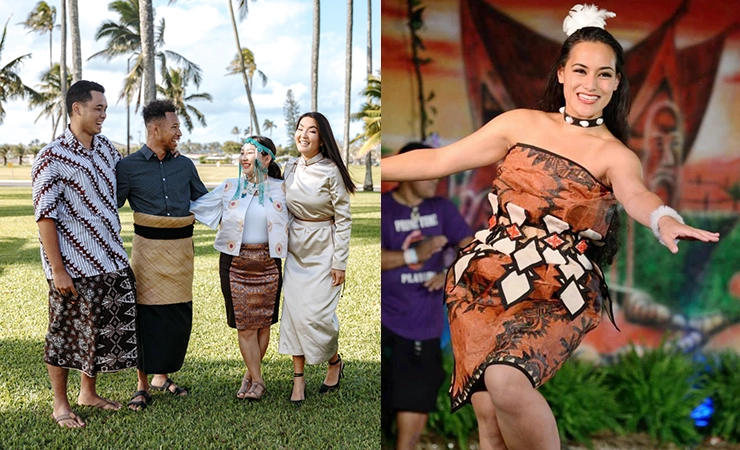
Modern clothing in Tonga combines international fashion with deeply rooted cultural traditions. Western-style shirts, dresses, trousers, business suits, and casual sportswear are widely worn in schools, workplaces, and everyday life, particularly in urban areas. Even when wearing contemporary clothing, many Tongans continue to add traditional garments such as the taʻovala or kiekie for church services, government functions, and formal ceremonies, reflecting the country’s strong respect for its cultural identity. This unique blend of traditional and modern fashion makes Tonga clothing one of the most distinctive national dress traditions in the Pacific, allowing heritage and contemporary style to coexist with remarkable harmony.